

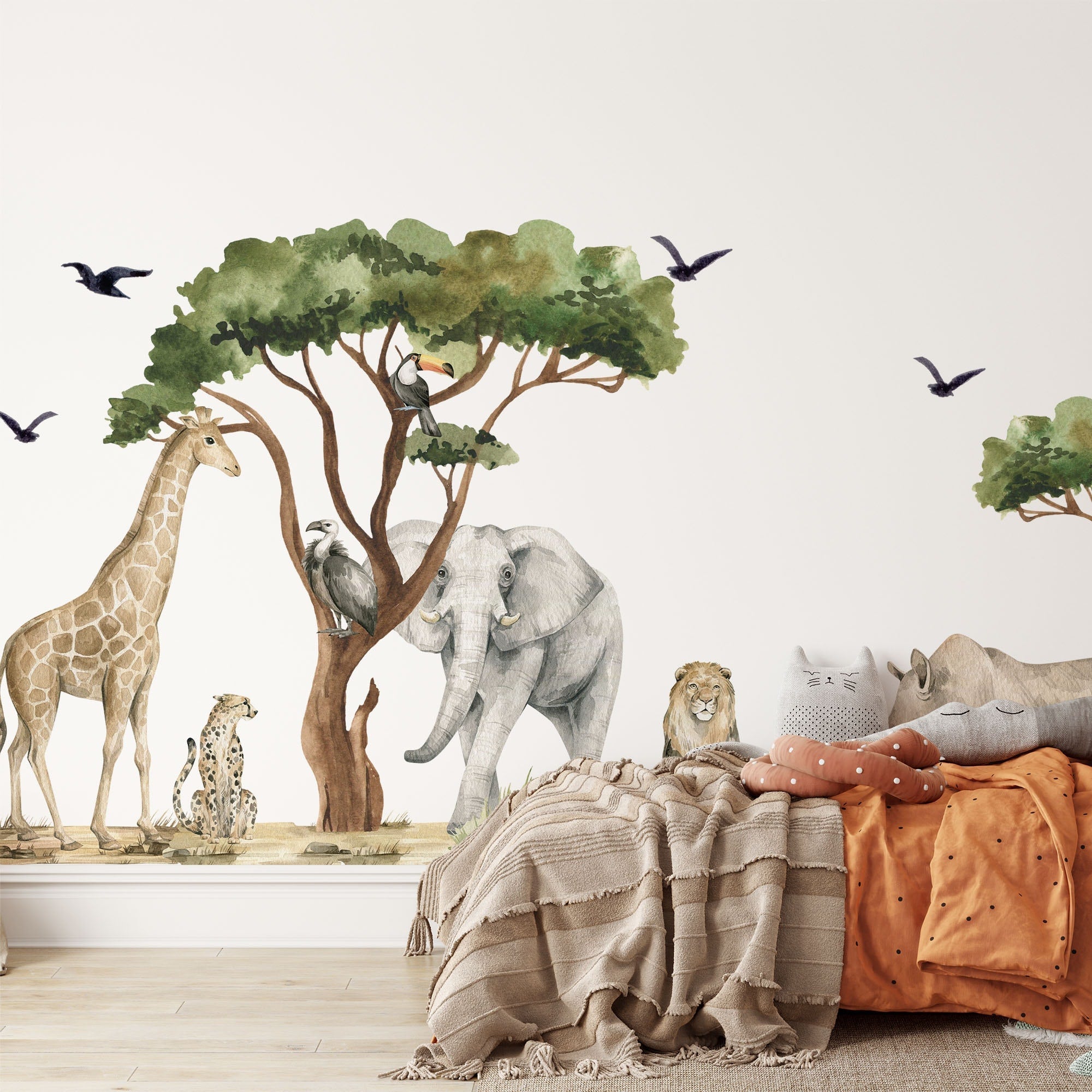
Choosing Nursery Wall Decor? Material Matters More Than You Think
When designing a nursery, most parents focus on colour, theme, and style.
But the material on your baby’s walls affects something more important:
the air they breathe every single day.
Nurseries are:
-
Smaller rooms
-
Often warmer
-
Occupied for long sleep periods
-
Used by babies who breathe faster than adults
That’s why understanding the safest nursery wall materials matters.
This guide ranks common wall decor materials by typical chemical load and indoor air impact — in simple, non-alarmist terms.
How We’re Ranking These Materials
We’re considering:
-
Likelihood of VOC release
-
Presence of synthetic plasticisers
-
Adhesive requirements
-
Breathability
-
Typical off-gassing strength
This is about reducing unnecessary exposure — not achieving perfection.
🥇 1. Paper-Based Wall Panels (Lowest Typical Chemical Load)
Why Paper Often Ranks Safest
Paper-based nursery decor typically:
-
Contains no plastic films
-
Uses fewer synthetic additives
-
Has lower odour
-
Is more breathable
-
Often uses water-based inks
Because paper isn’t flexible plastic, it doesn’t require added plasticisers.
Chemical Profile:
-
Lower VOC likelihood
-
No PVC
-
Minimal synthetic content (varies by finish)
Ideal For:
-
Sleep spaces
-
Small nurseries
-
Parents prioritising low chemical nursery walls in the UK
⚠️ What To Check:
-
Ink type (water-based preferred)
-
Coatings or laminates
-
Adhesive system used
🥈 2. Untreated Fabric Wall Hangings
Fabric wall decor can be a safe choice — depending on treatment.
Why Fabric Can Be Lower Risk
Natural fibre fabrics (like cotton or linen) without chemical treatments may have:
-
Low VOC emission
-
No plasticisers
-
Minimal odour once aired
However…
Potential Concerns:
-
Flame retardant treatments
-
Stain-resistant coatings
-
Synthetic dyes
If untreated and aired before installation, fabric decor generally ranks as lower to moderate risk.
🥉 3. Low VOC Paint (After Proper Curing)
Paint is often recommended for nurseries — and modern low VOC formulas are significantly improved.
What “Low VOC” Really Means
Low VOC paint contains reduced levels of volatile organic compounds compared to traditional paint.
However:
-
It still releases some emissions while drying
-
Off-gassing can continue during curing
-
Small rooms concentrate fumes
Safer Use Guidelines:
-
Paint 3–4 weeks before due date
-
Ventilate daily
-
Avoid installing decor immediately after painting
Once fully cured, paint becomes relatively stable — but timing matters.
4️⃣ Vinyl Wall Stickers & Decals (Higher Synthetic Load)
Vinyl is widely used in nursery wall decor.
It’s durable, flexible, and easy to apply — but chemically different from paper or fabric.
Why Vinyl Ranks Lower For Nurseries
Vinyl (PVC) typically contains:
-
Plasticisers (to make it flexible)
-
Synthetic stabilisers
-
Solvent-based inks (sometimes)
These materials may release low levels of VOCs, especially:
-
When new
-
In warm environments
-
In poorly ventilated rooms
Modern regulations limit harmful substances — but vinyl still has a higher synthetic chemical load compared to paper.
When Vinyl May Be Acceptable:
-
Installed weeks before baby arrives
-
Well ventilated room
-
Low-odour product
-
Transparent manufacturer information
Quick Comparison Table
| Material | Synthetic Content | VOC Risk (Typical) | Breathability | Nursery Suitability |
|---|---|---|---|---|
| Paper-Based Panels | Low | Low | High | Excellent |
| Untreated Fabric | Low–Medium | Low | Medium | Good |
| Low VOC Paint | Medium | Medium (during curing) | N/A | Good (after curing) |
| Vinyl Stickers | High | Medium–Higher | None | Varies |
What About Adhesives?
Material is only part of the picture.
Even the safest wall decor can become higher risk if installed with:
-
Solvent-based glue
-
Spray adhesives
-
Strong synthetic bonding systems
Look for:
-
Water-based adhesives
-
Low-odour systems
-
Clear material transparency
The Big Picture: Reduce, Don’t Obsess
You don’t need a perfectly “chemical-free” nursery. That’s unrealistic.
But you can reduce unnecessary exposure by:
-
Choosing paper over plastic when possible
-
Installing decor early
-
Ventilating regularly
-
Avoiding strong-smelling materials
Small decisions add up in a space where your baby sleeps every day.
If you prefer paper-based nursery decor designed to reduce unnecessary chemical exposure, here’s how ours is made…
-
Paper-based panels rather than plastic films
-
Low-odour printing processes
-
Designed specifically for indoor nursery environments
Share:
Nursery Air Quality 101: Creating a Low-Chemical Sleep Space