Learn & Play
Baby & Toddler Learning Packs
Our Learn & Play collection is designed to support your child’s development through simple, engaging activities. From first words and numbers to sensory play, our learning packs and flash cards help babies and toddlers explore, discover, and build confidence through play.
Flashcards
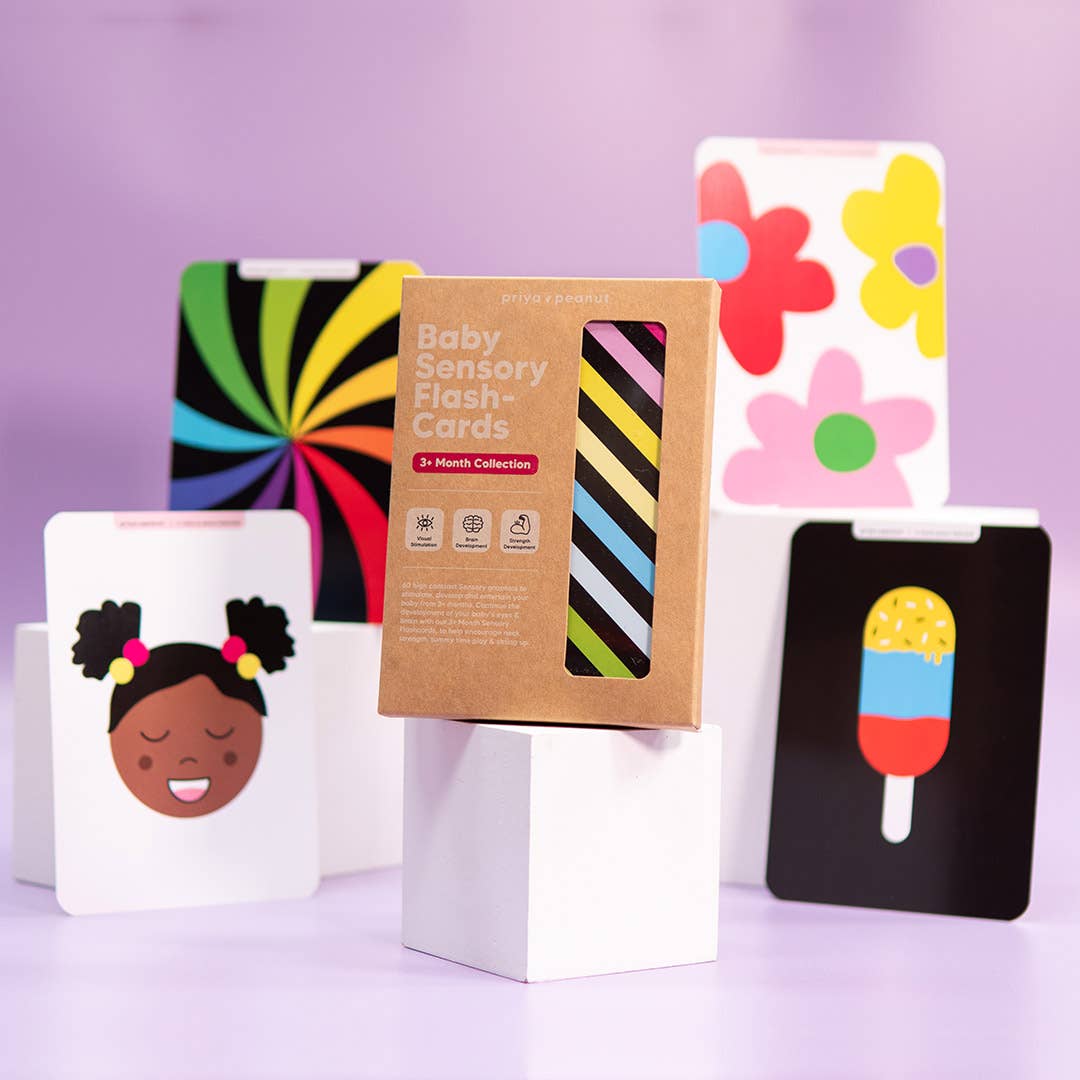
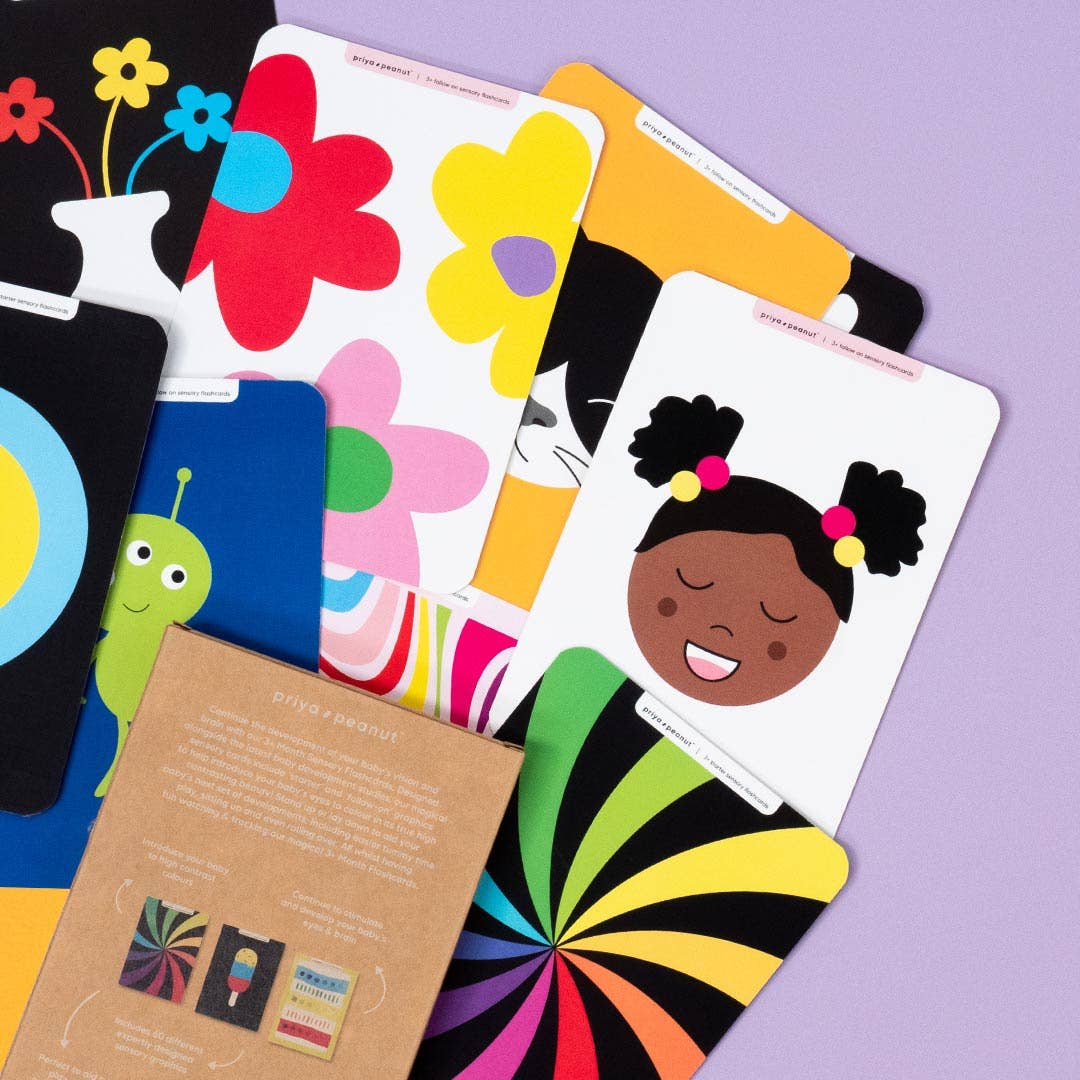
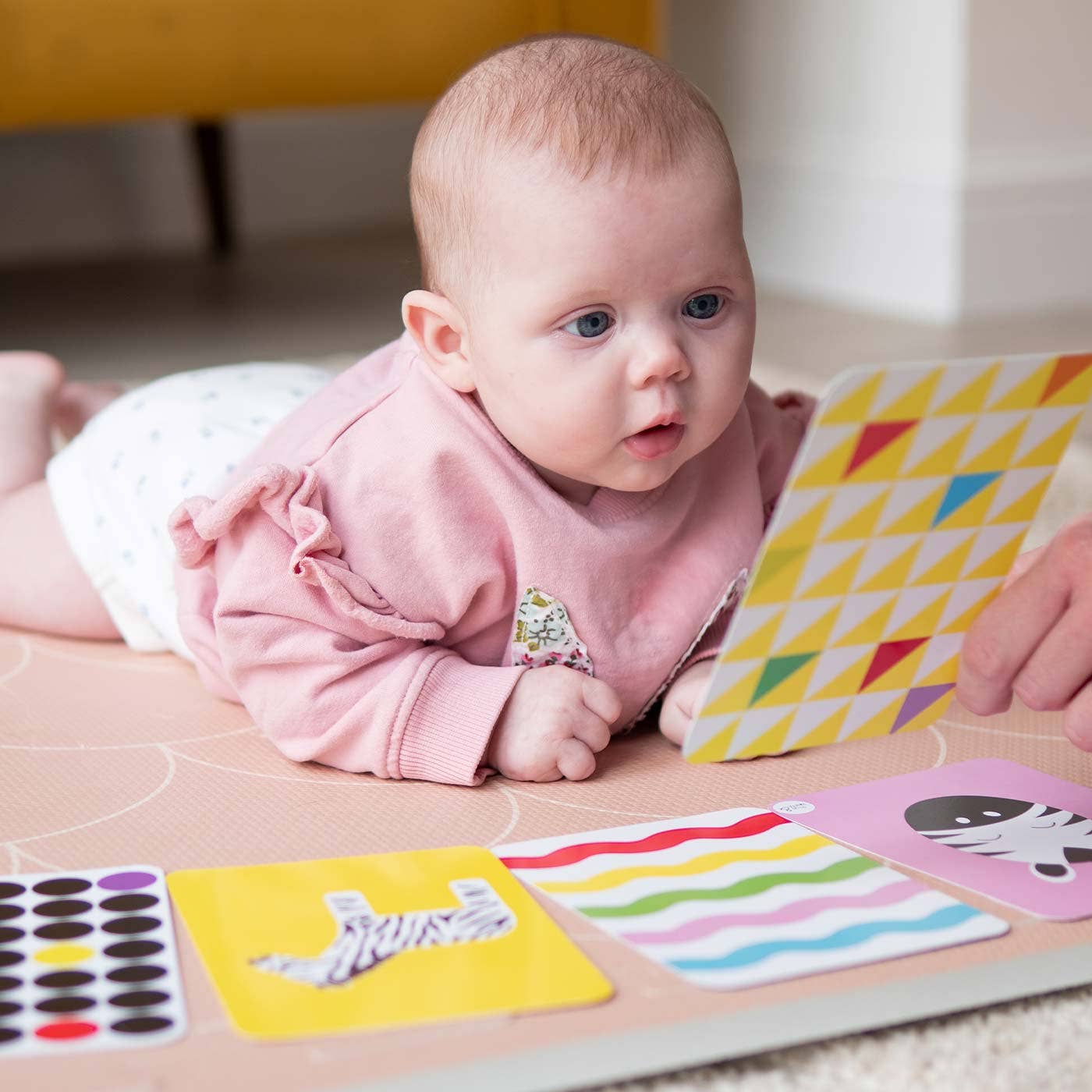
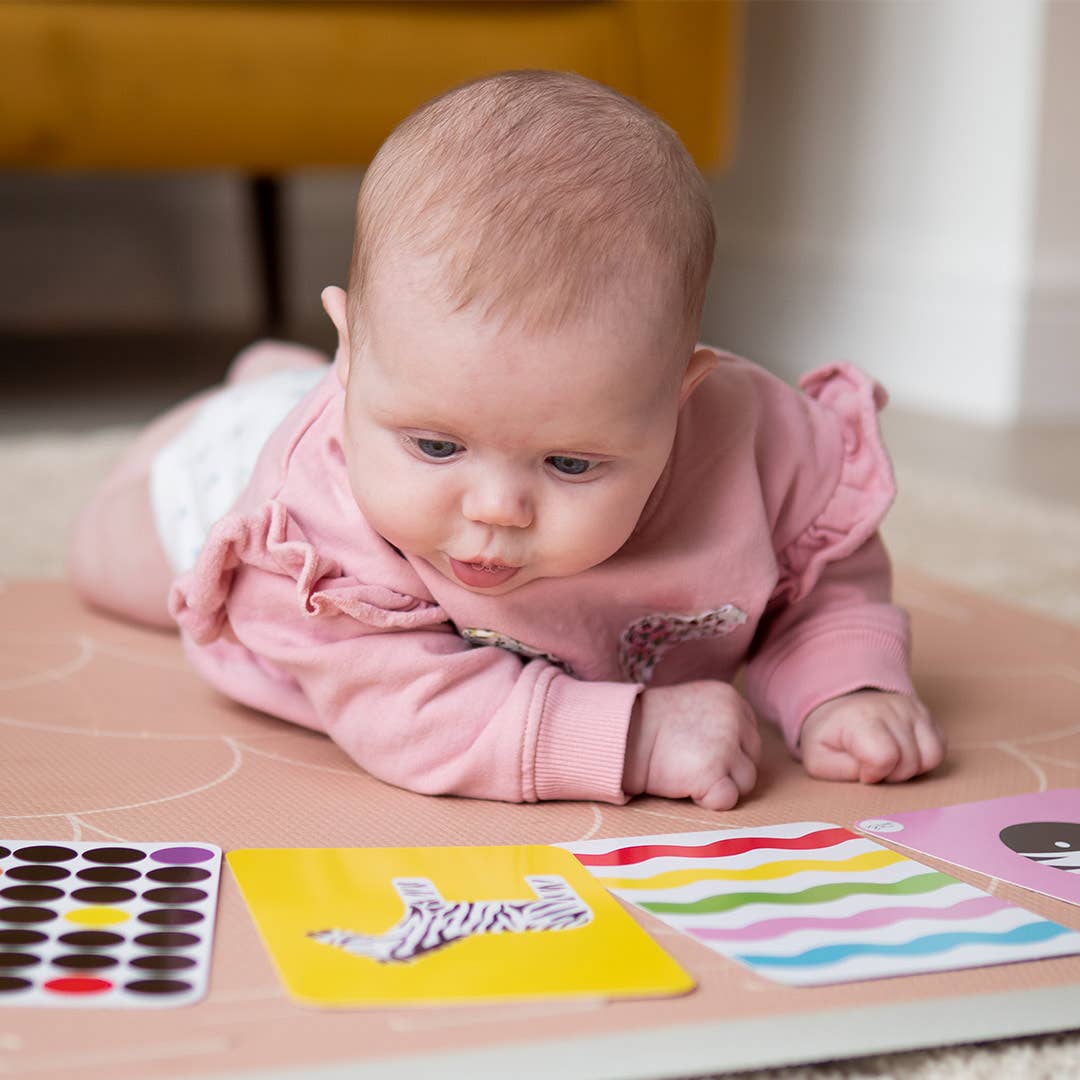
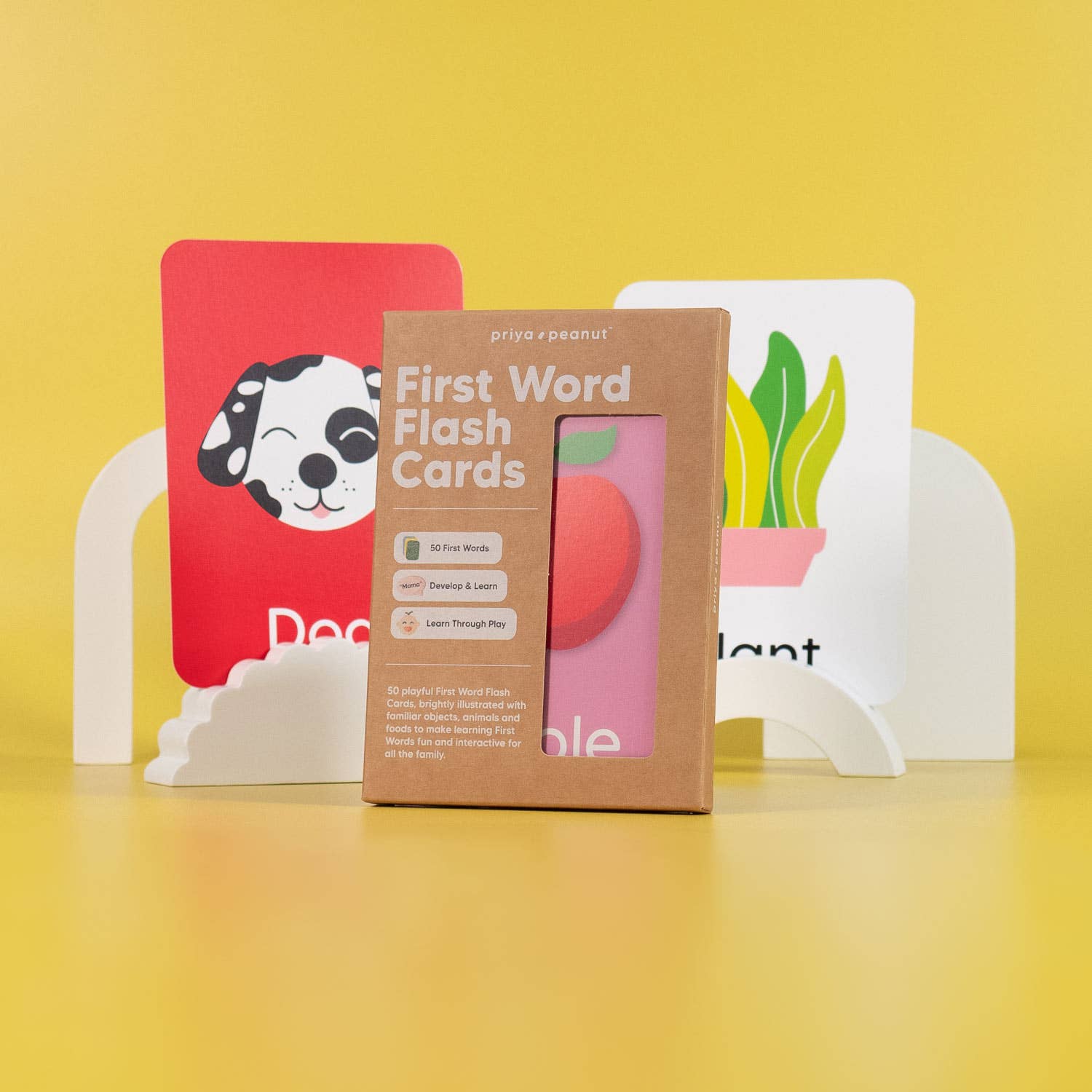
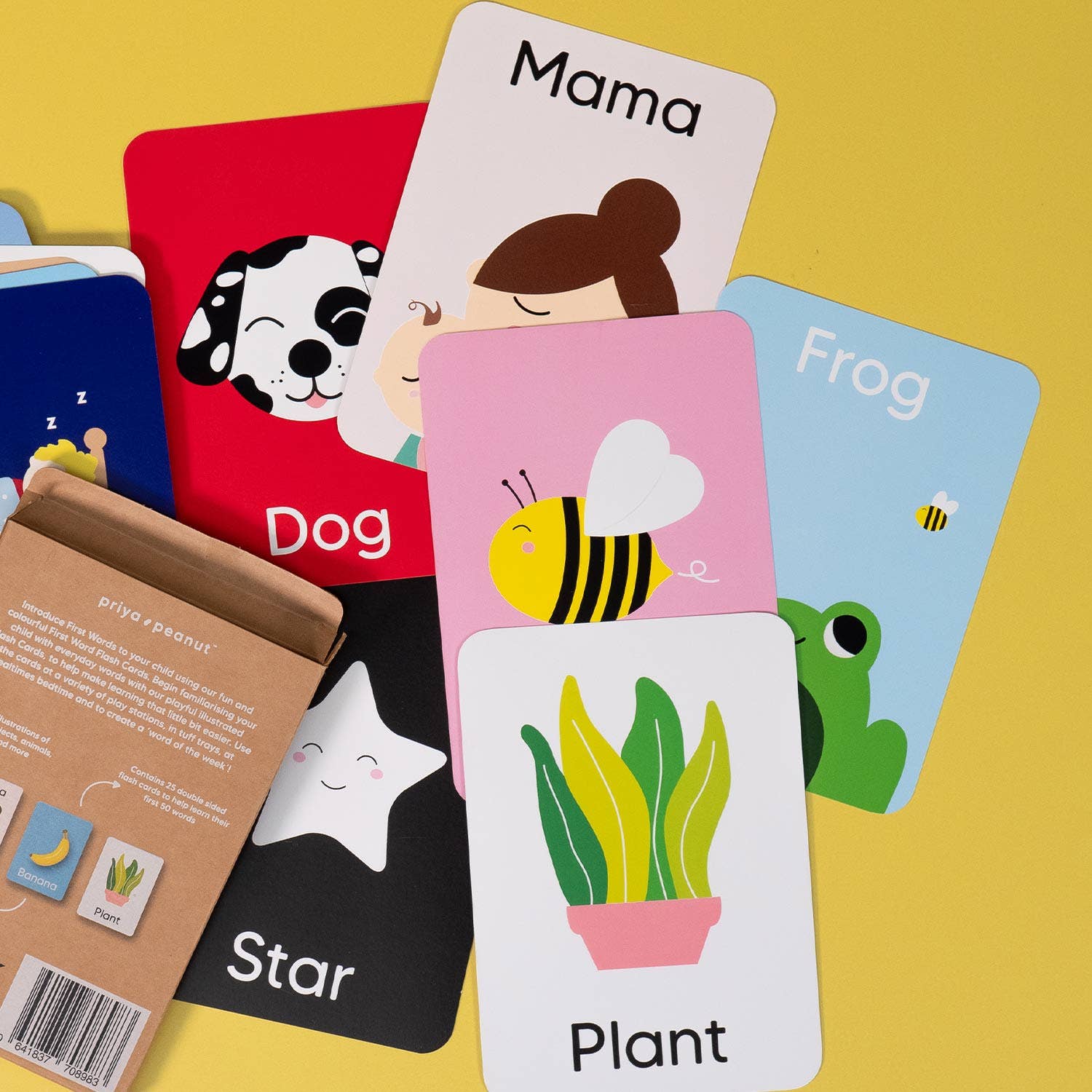
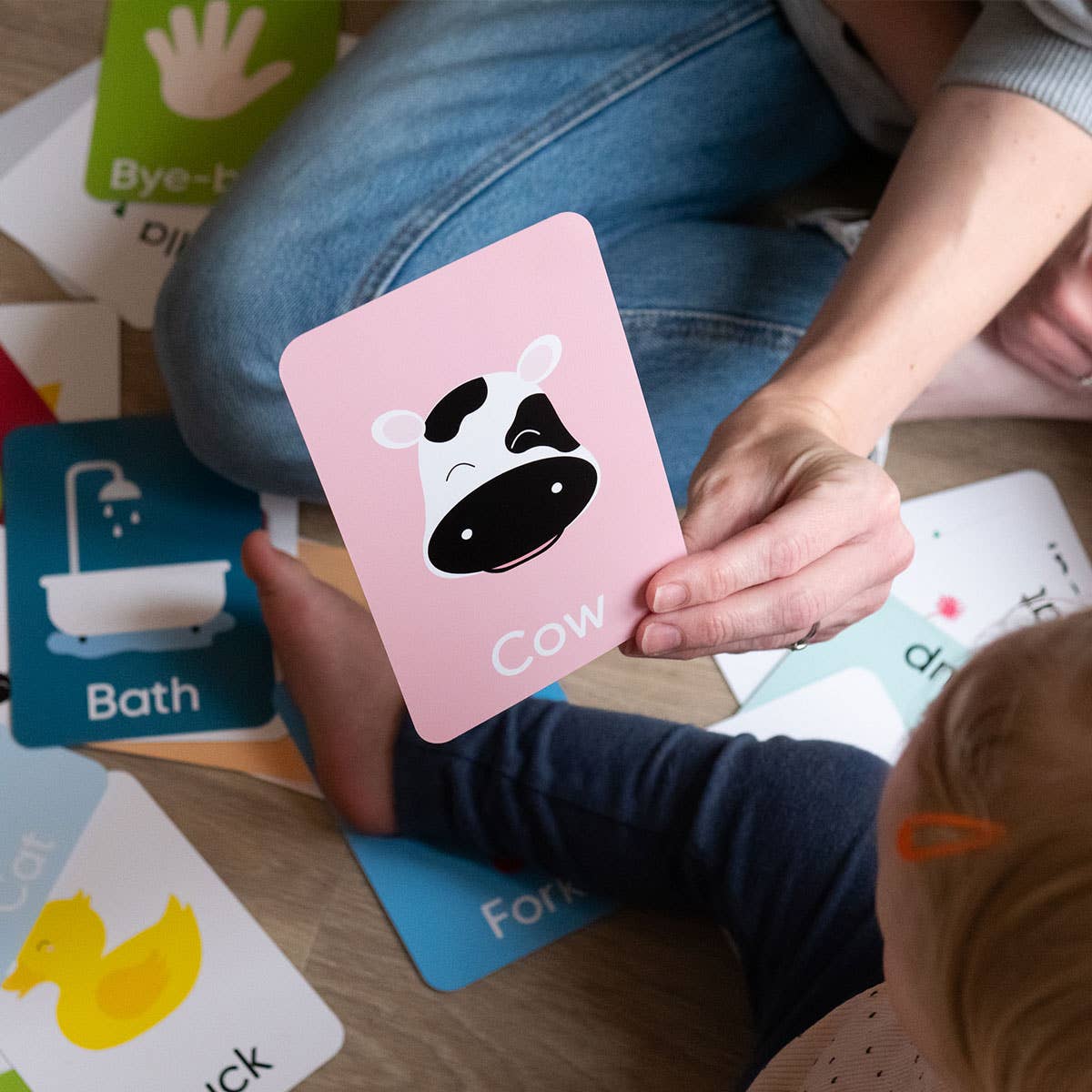
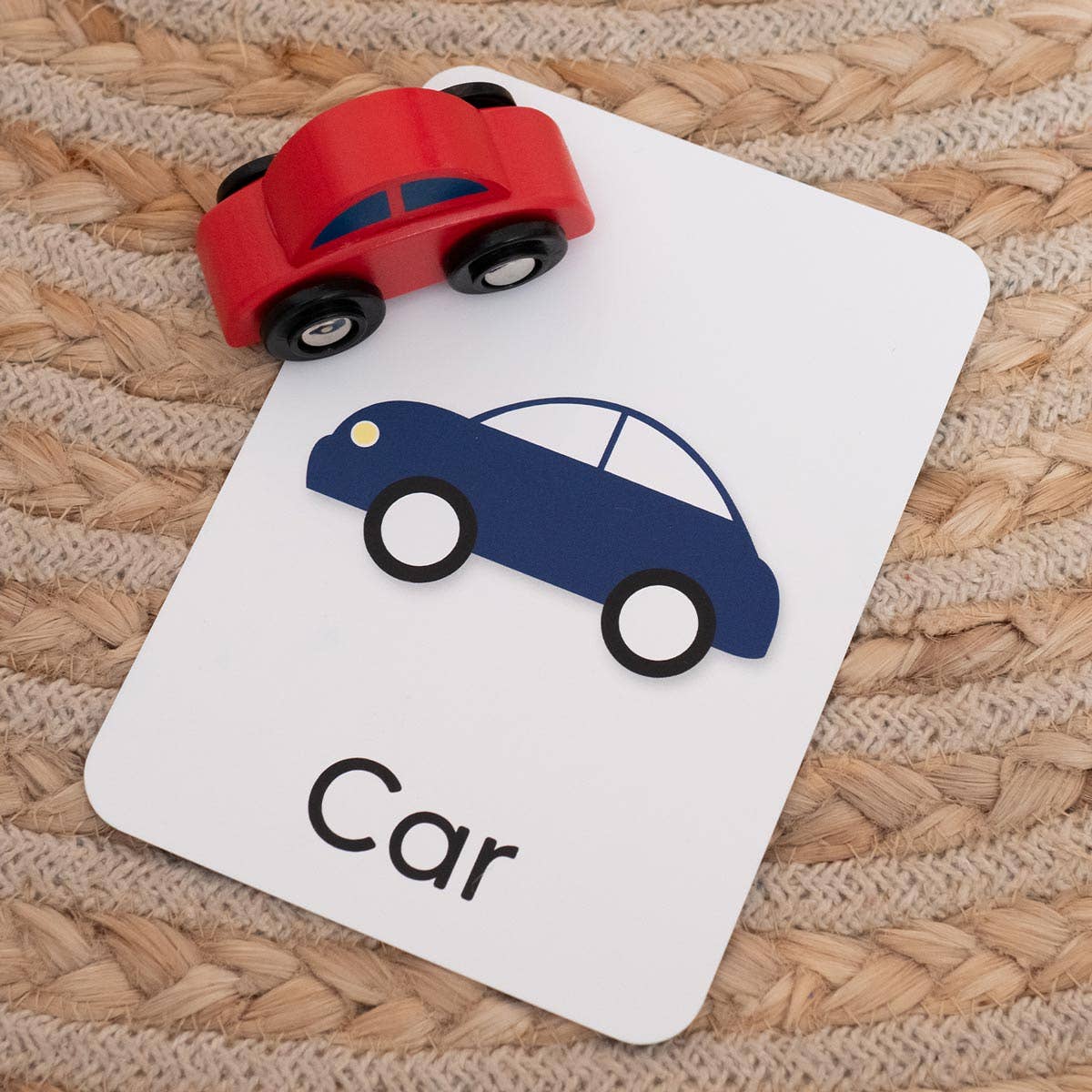
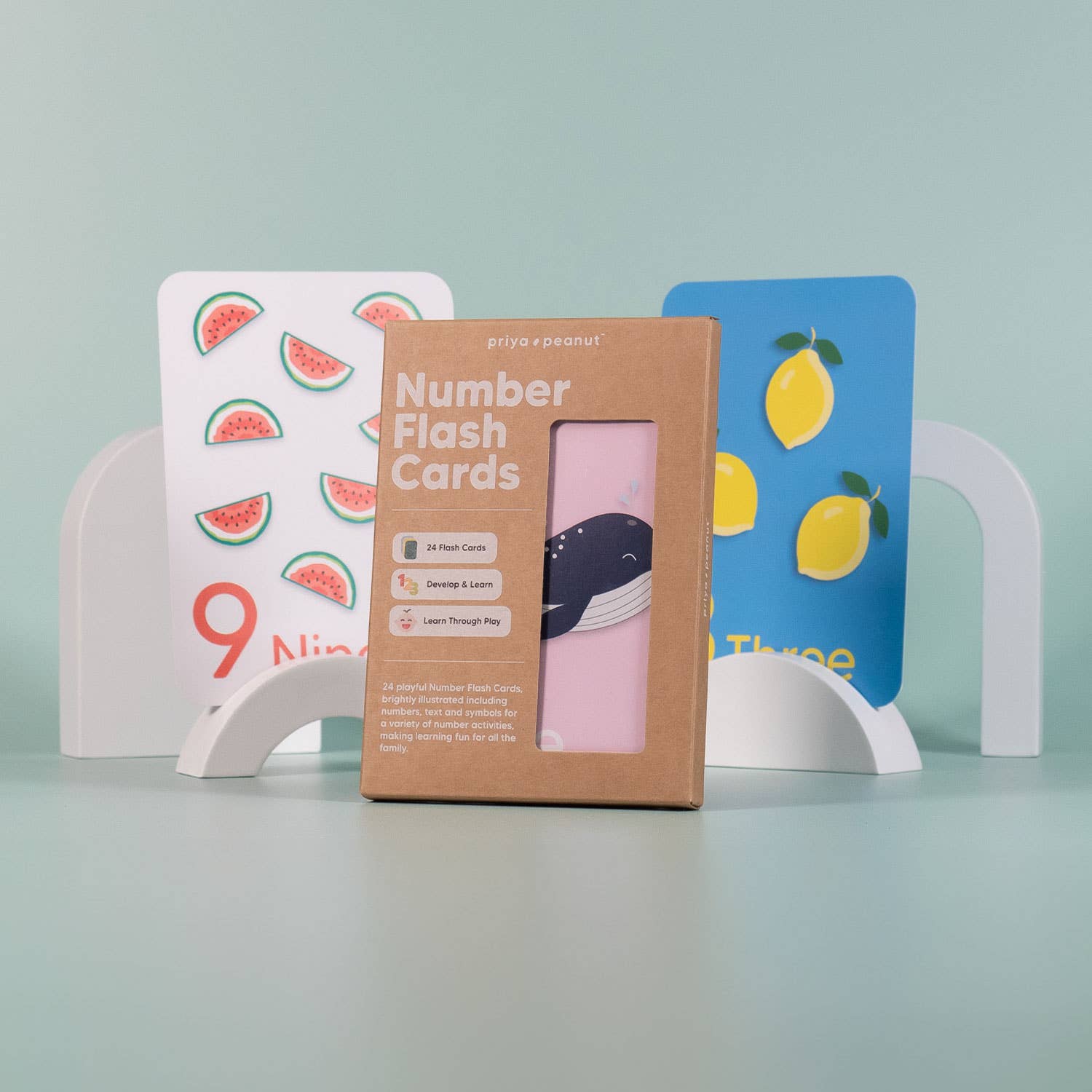
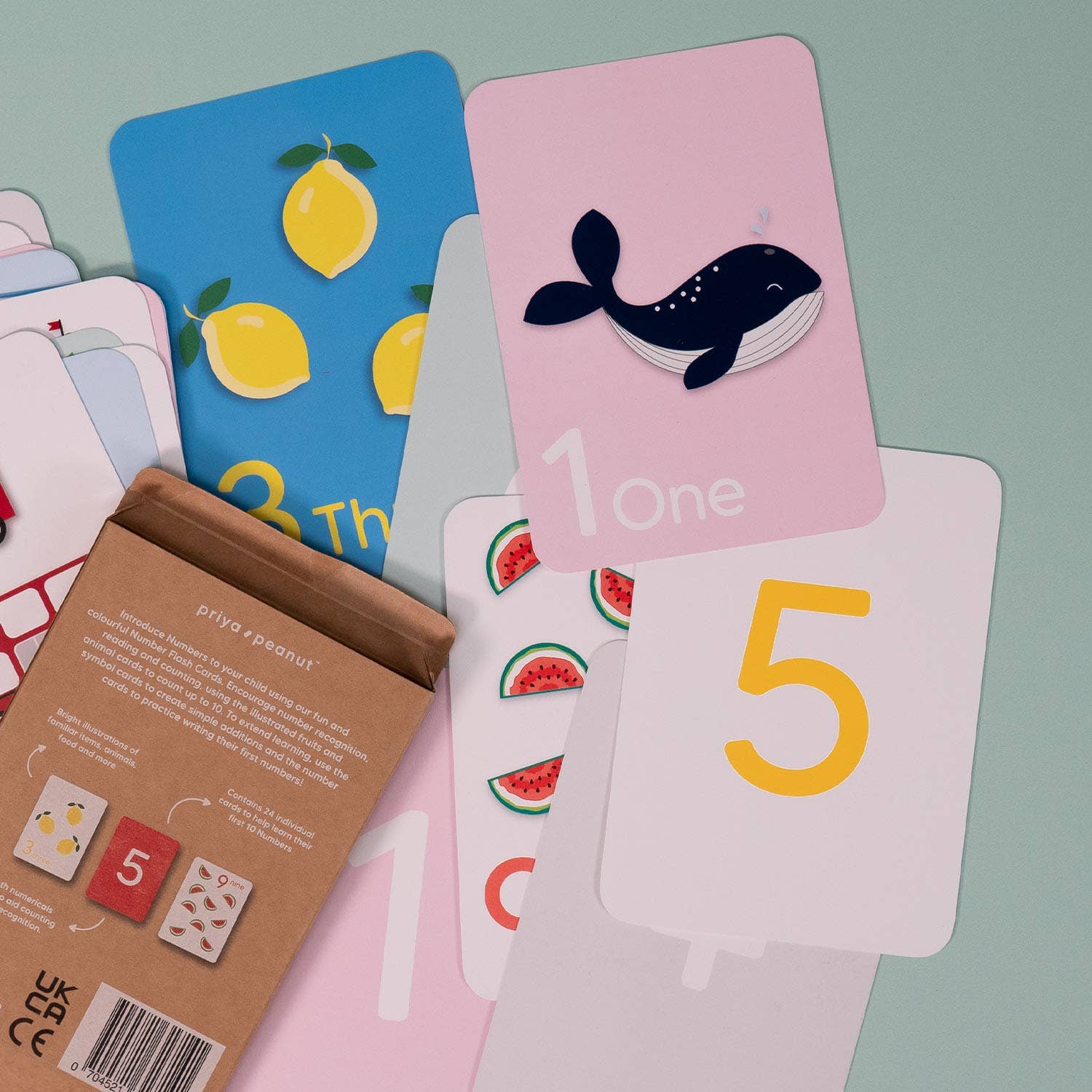
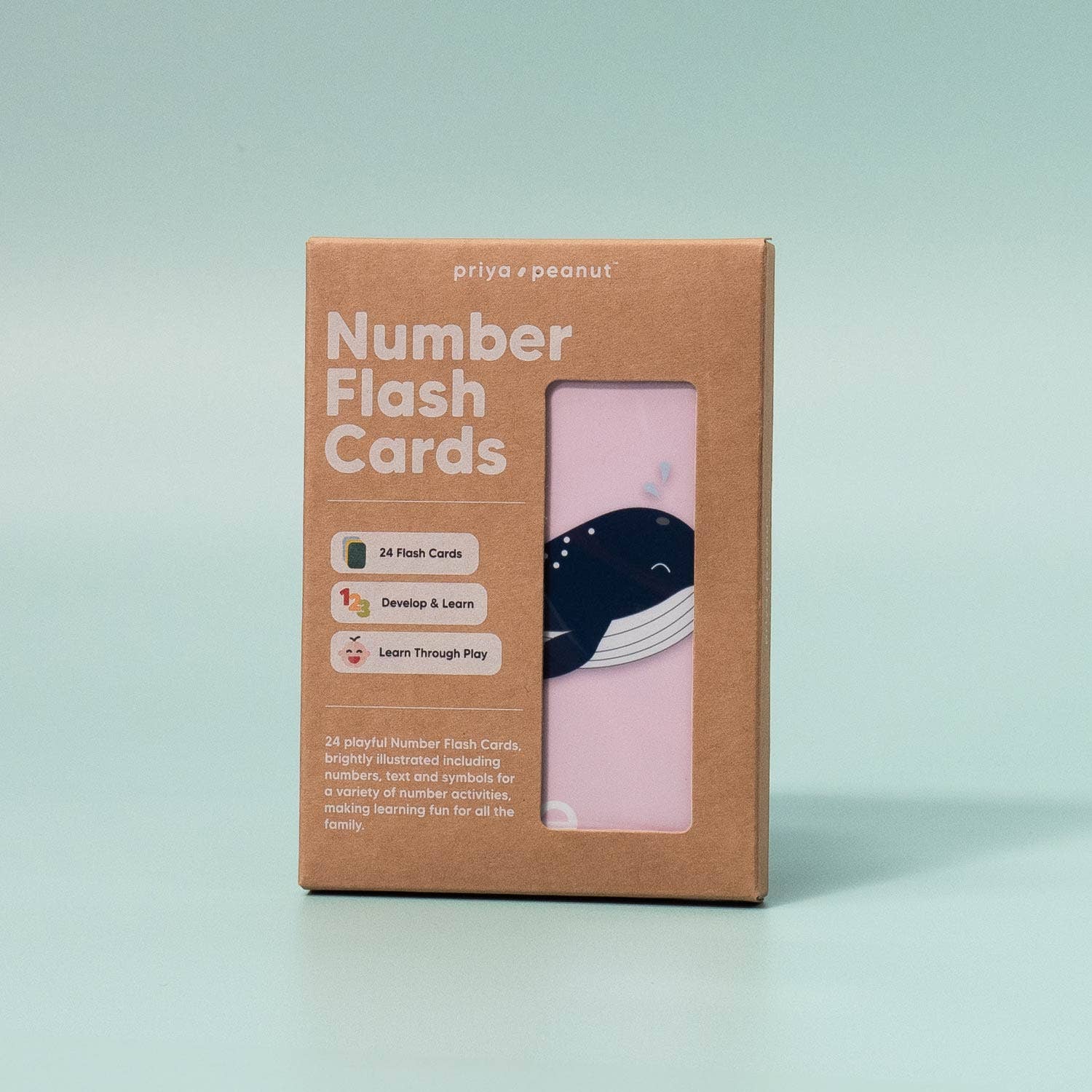
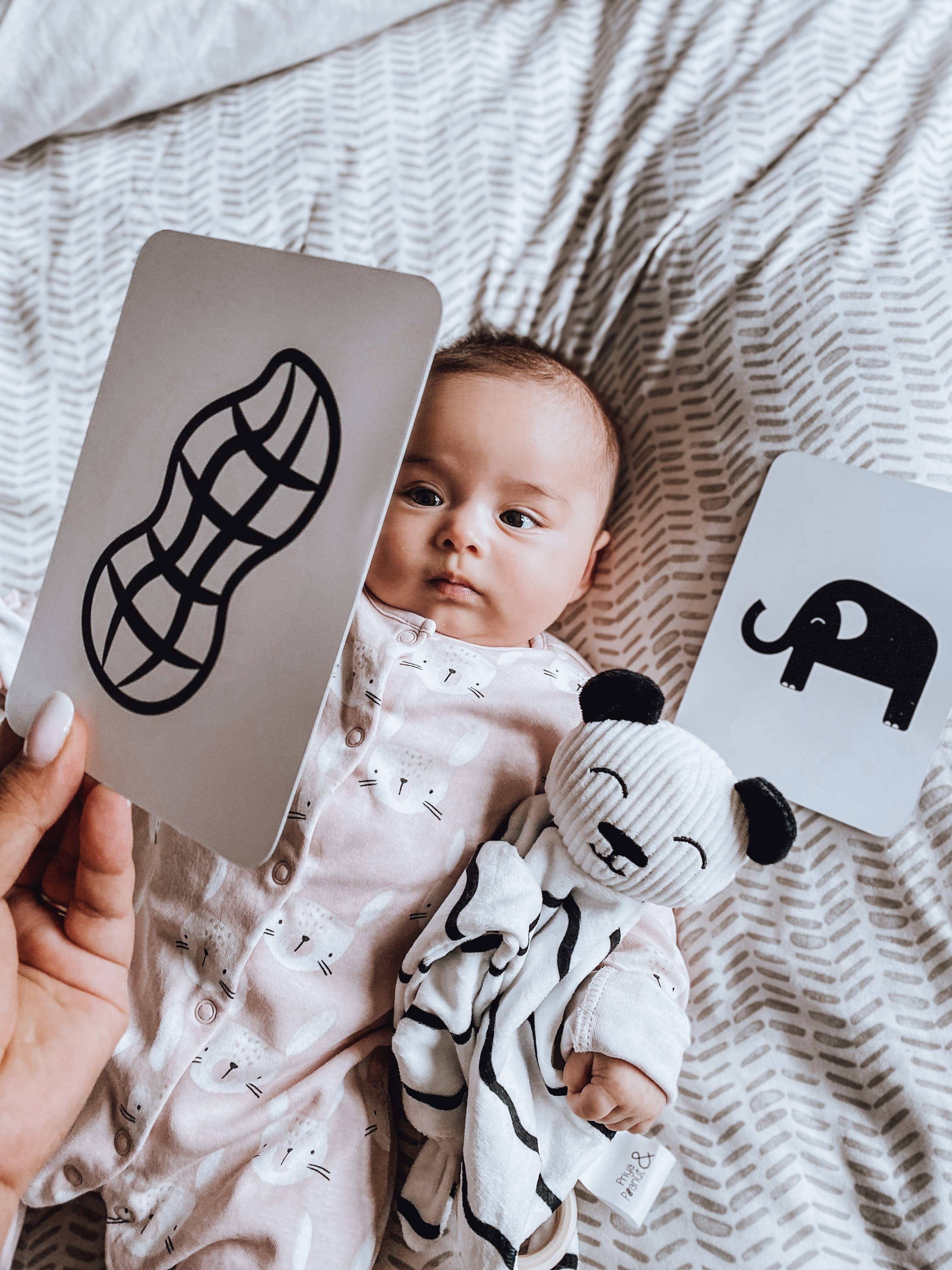
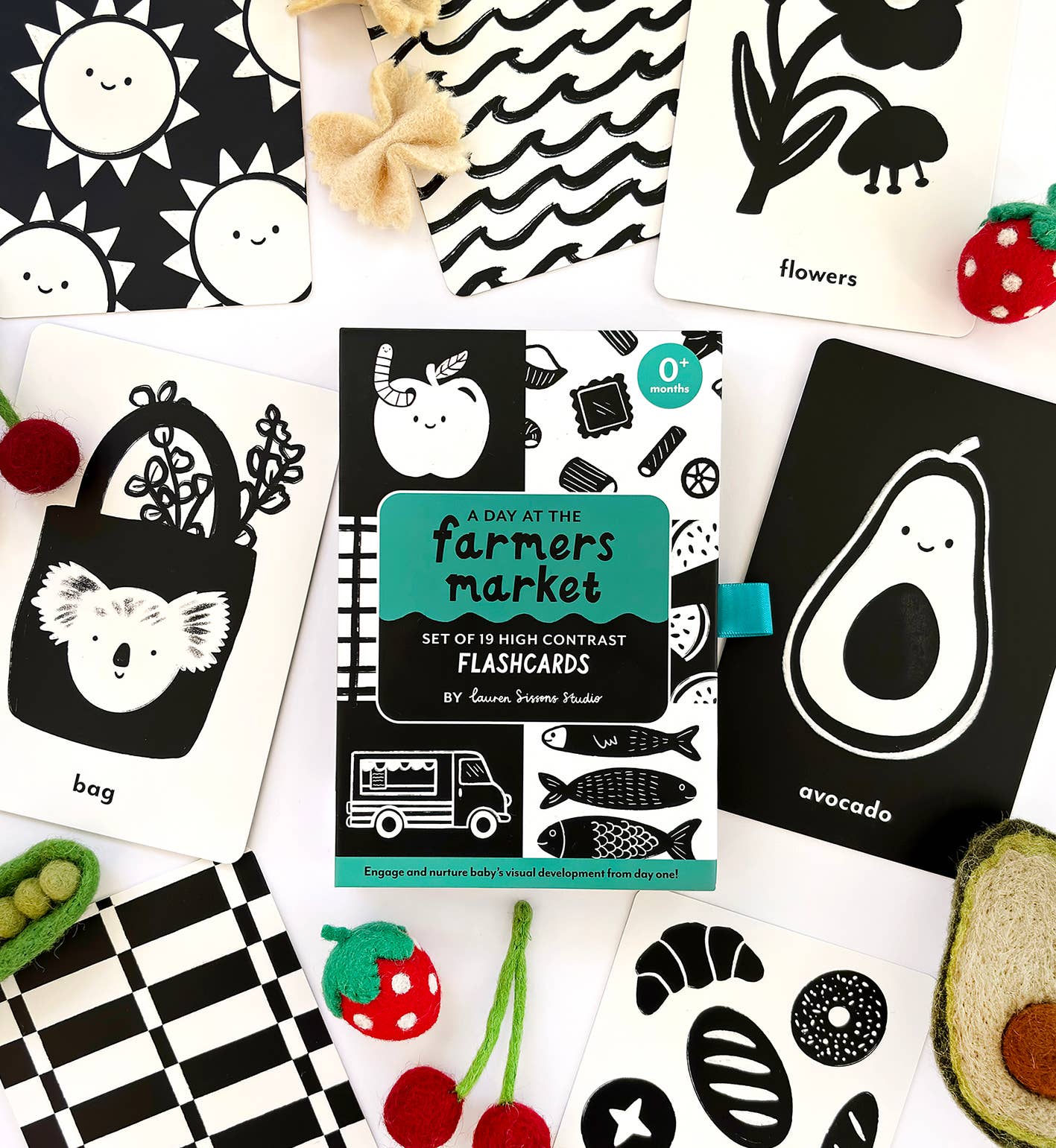
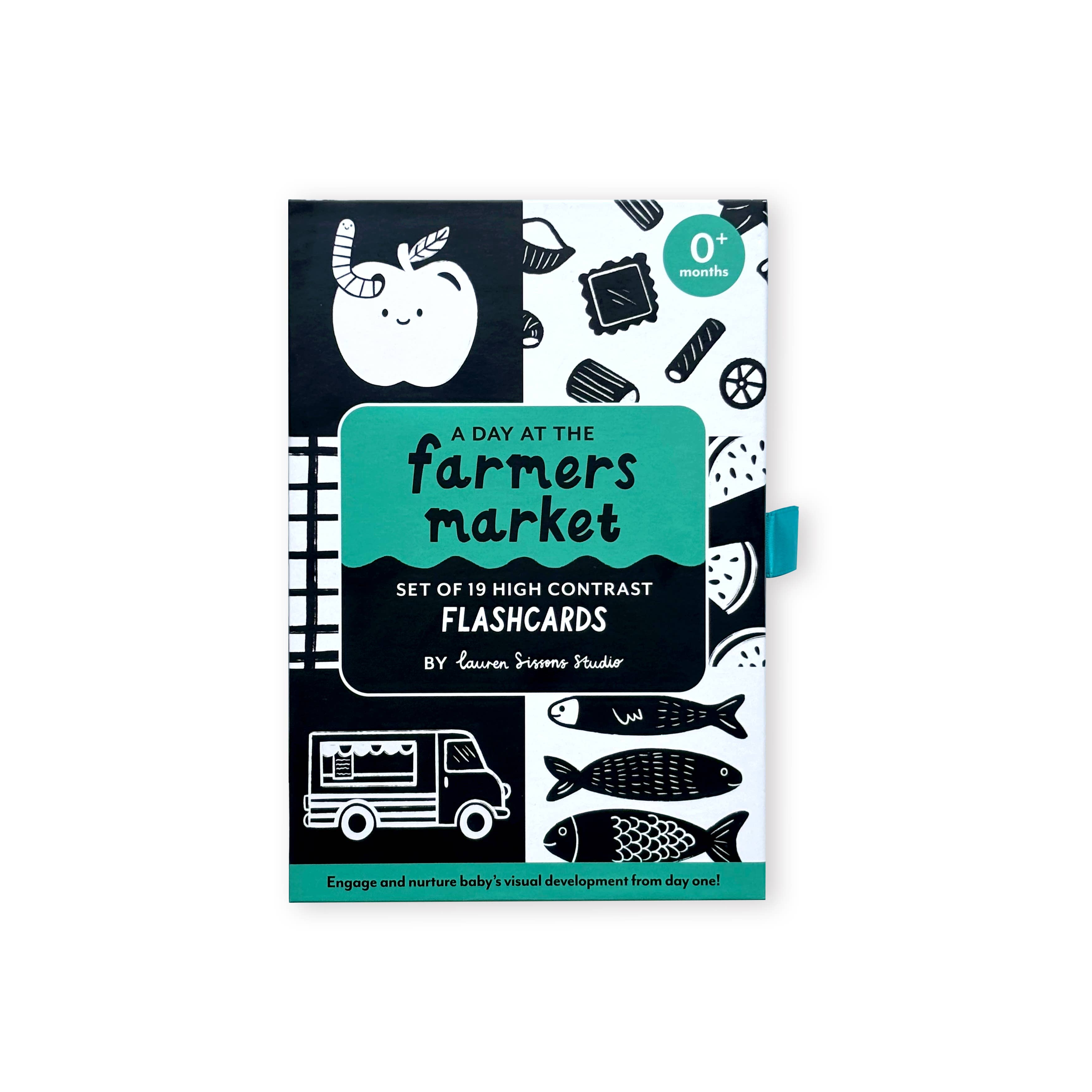
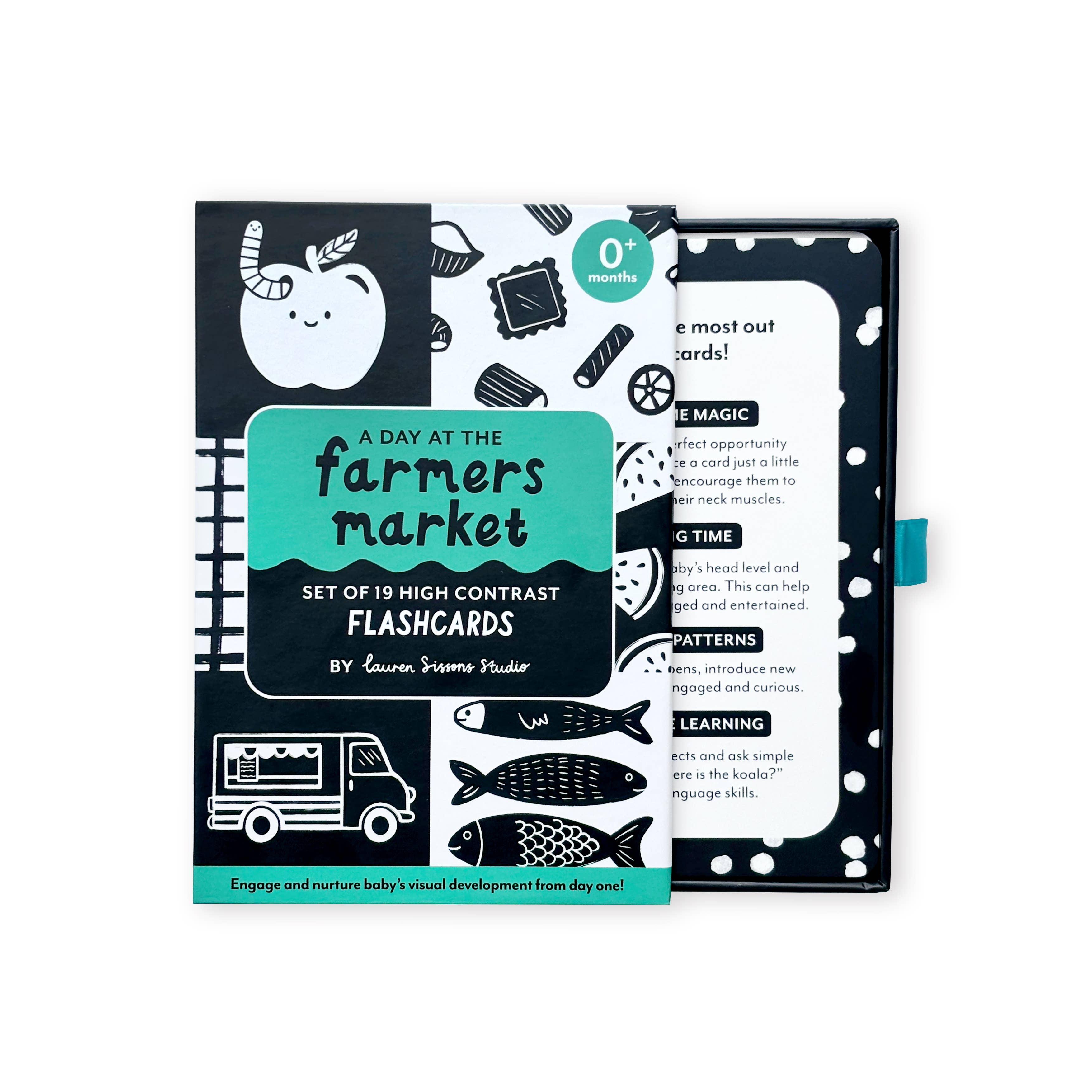
Our flash card packs are designed to support early recognition, memory, and language development. Perfect for babies and toddlers, they introduce first words, shapes, and everyday objects in a calm and engaging way.


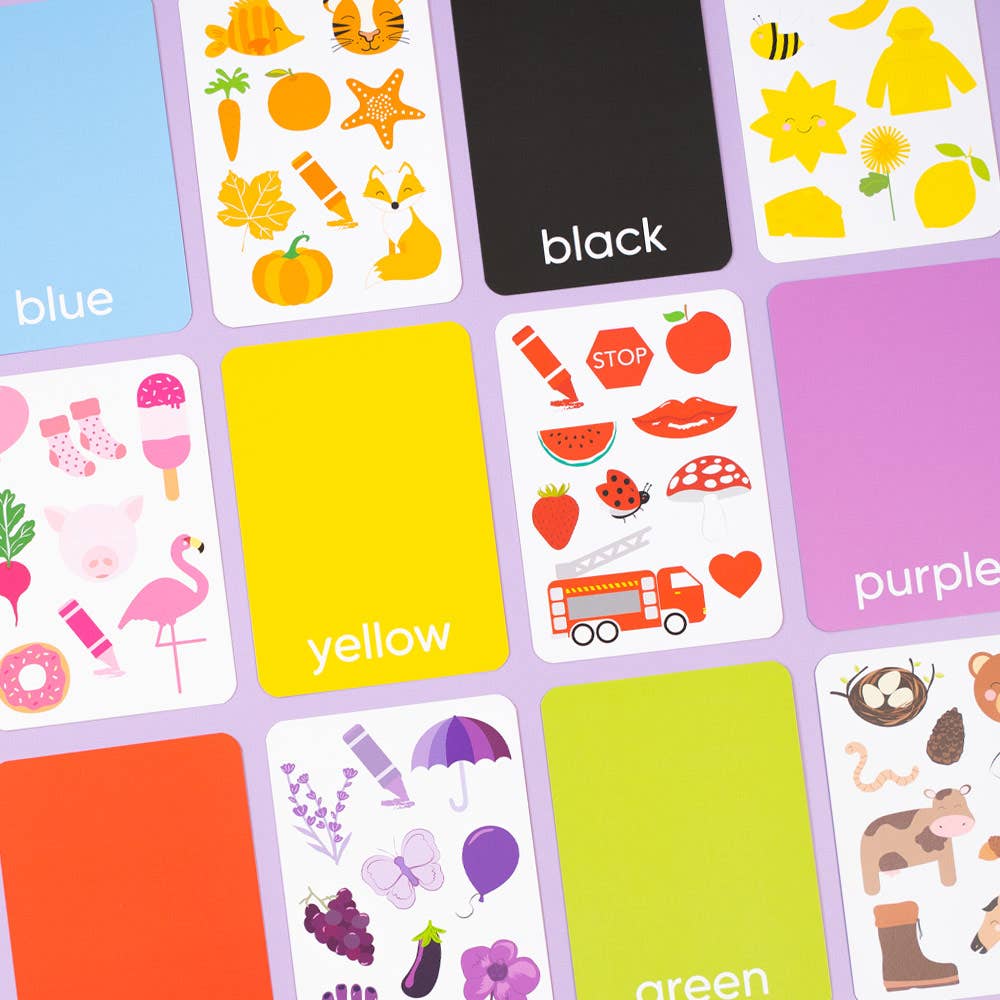
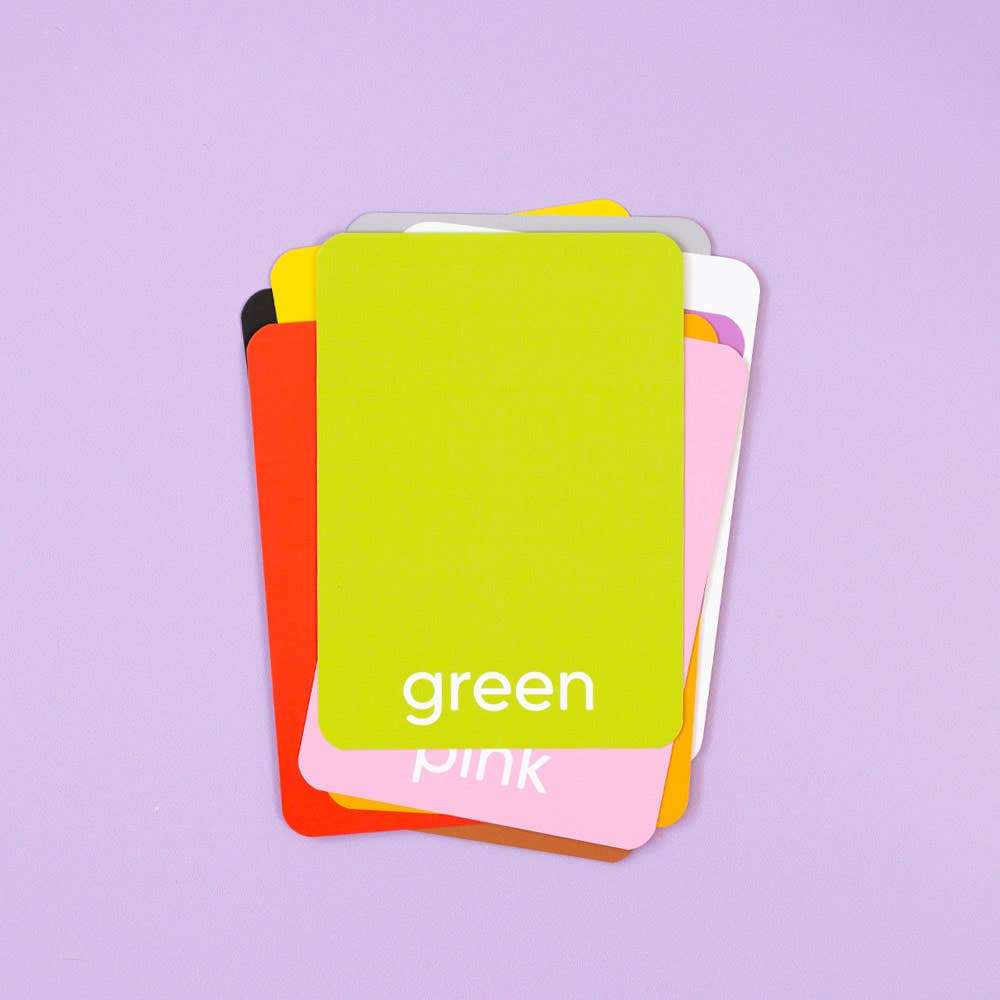
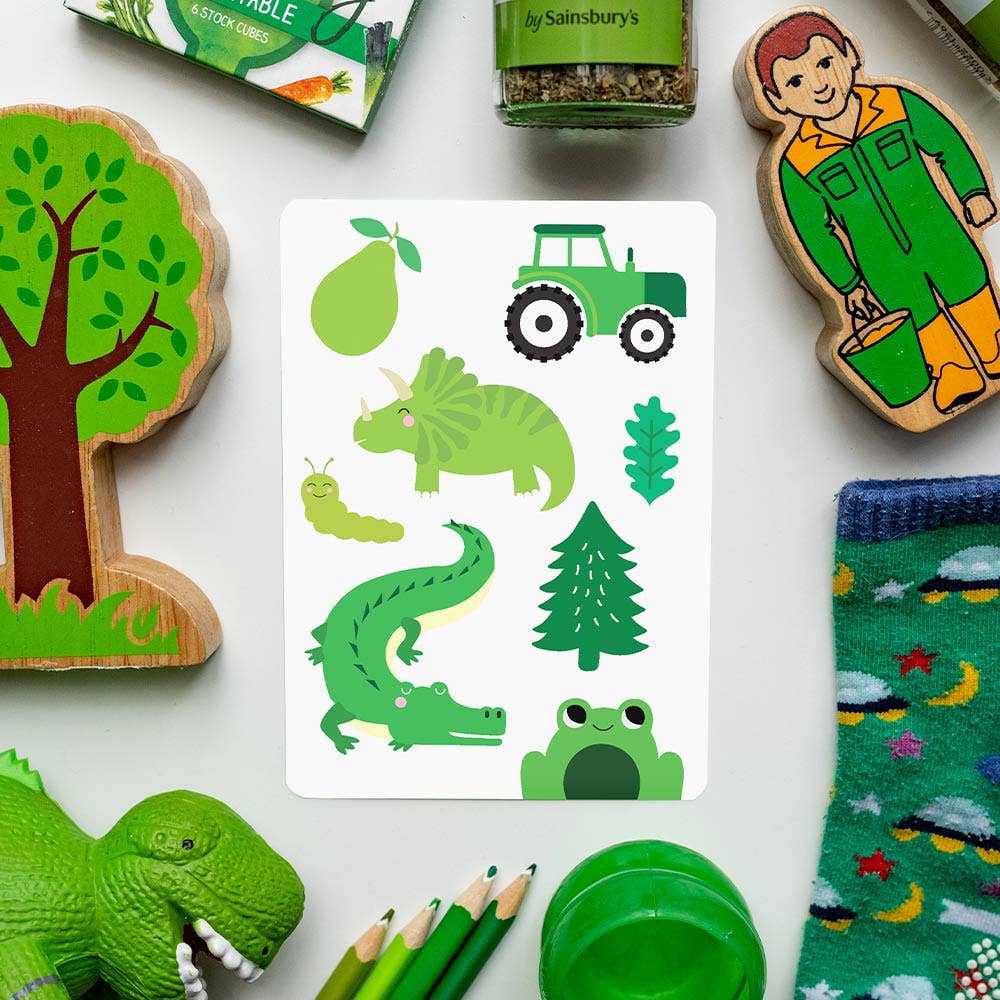
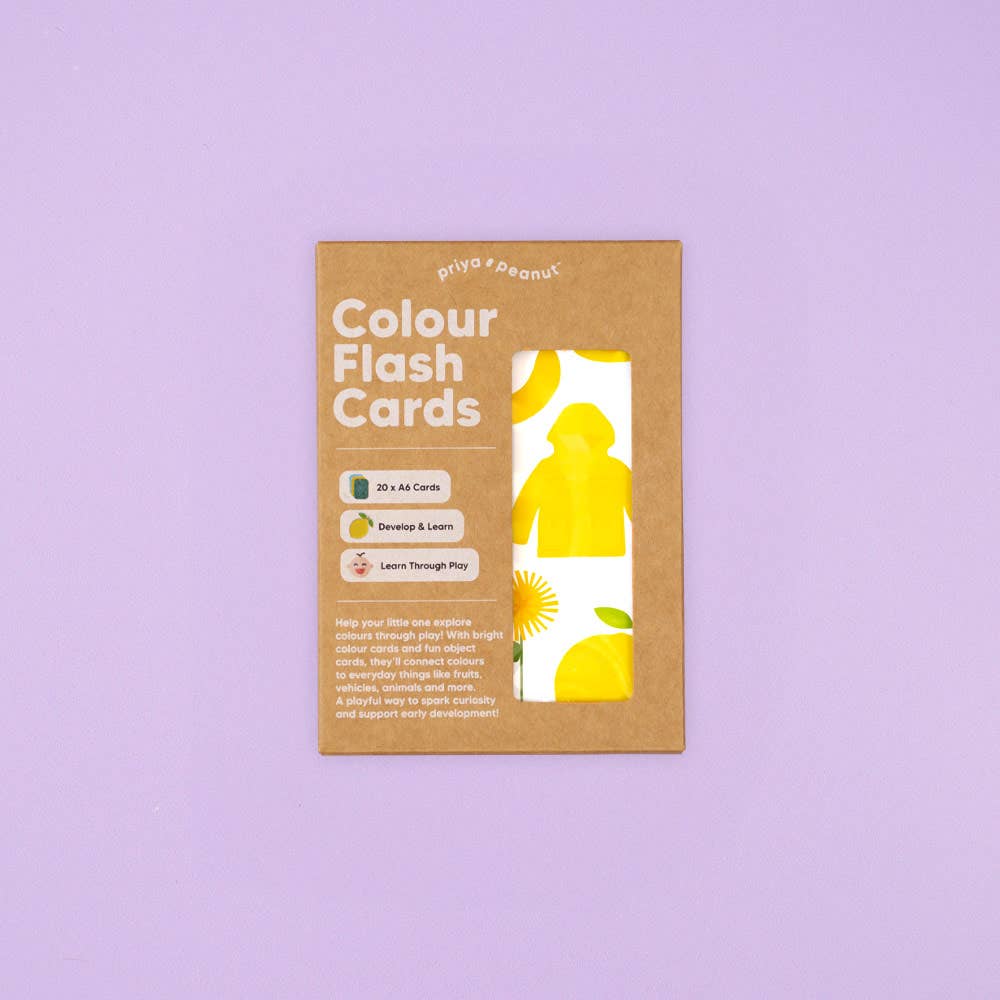
Learning Games
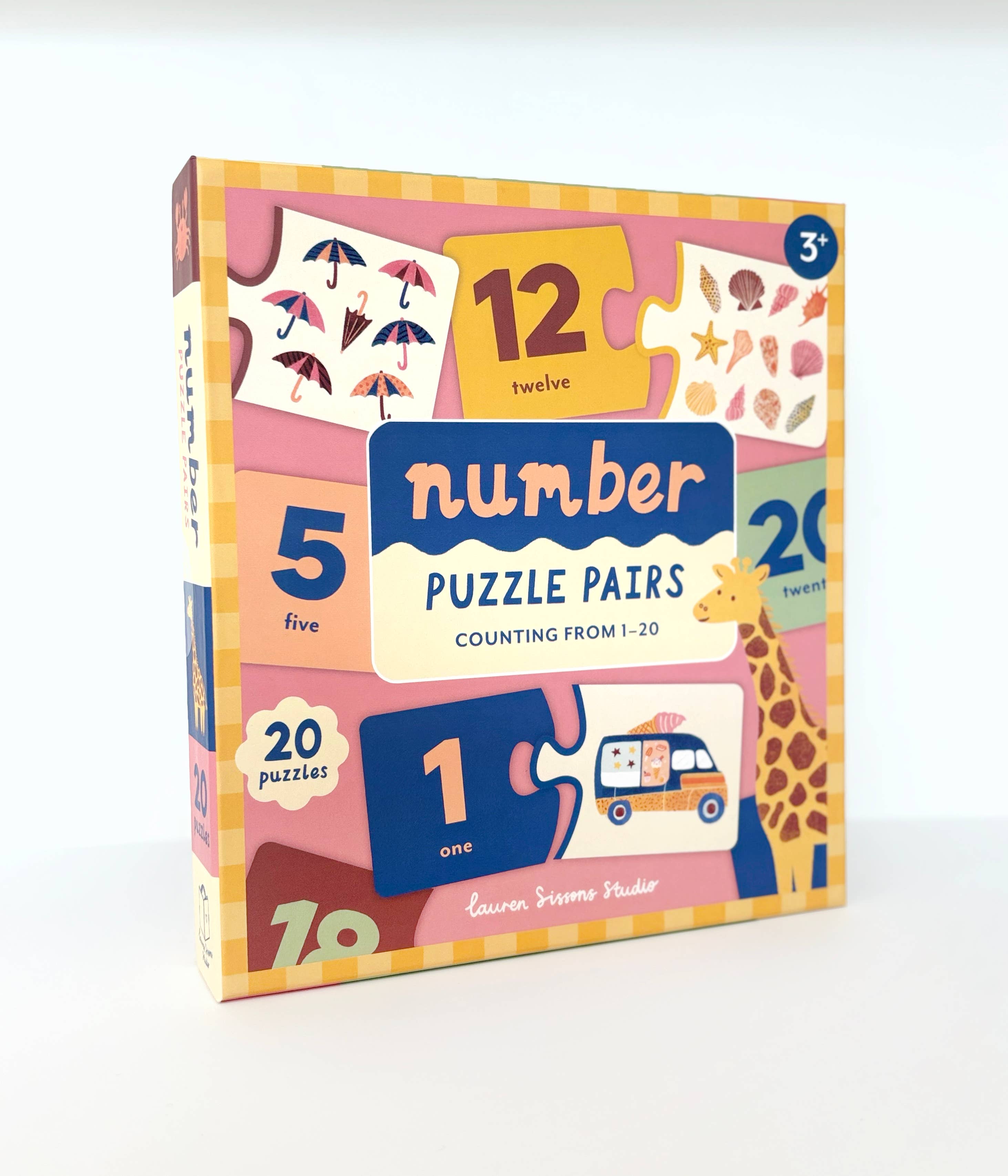
Encourage early maths skills with simple number activities and games that make counting fun and interactive. Designed for little hands and growing minds.
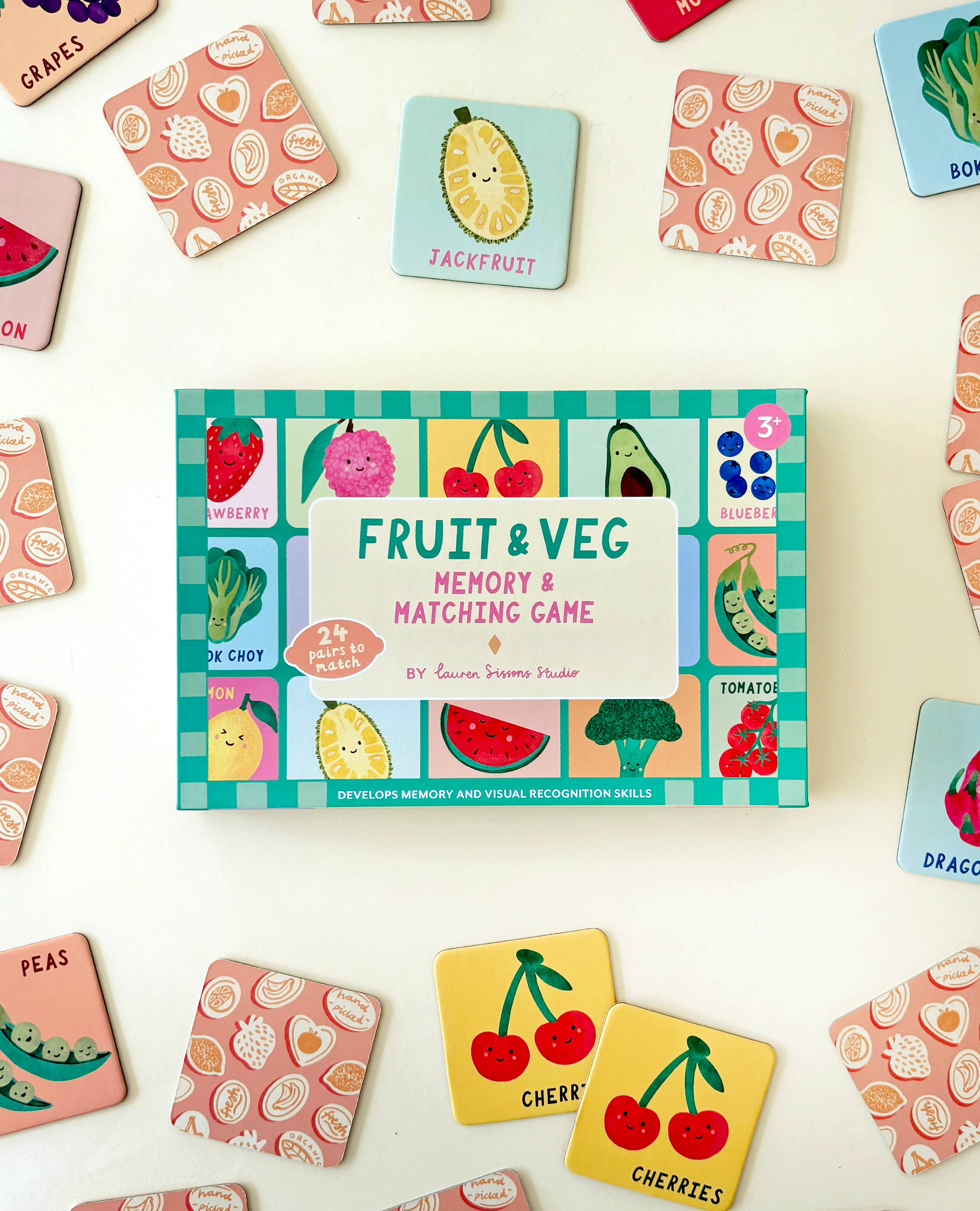
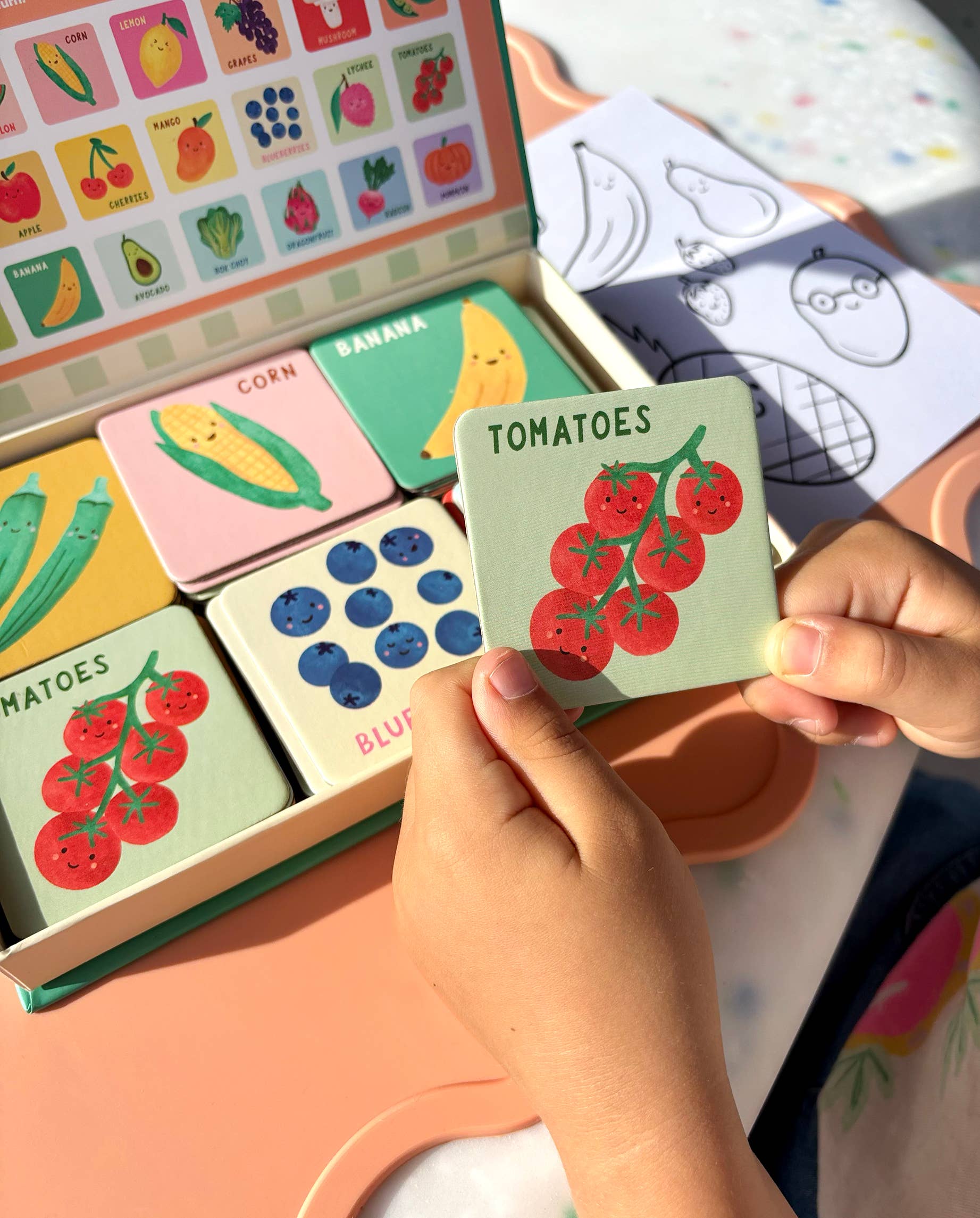
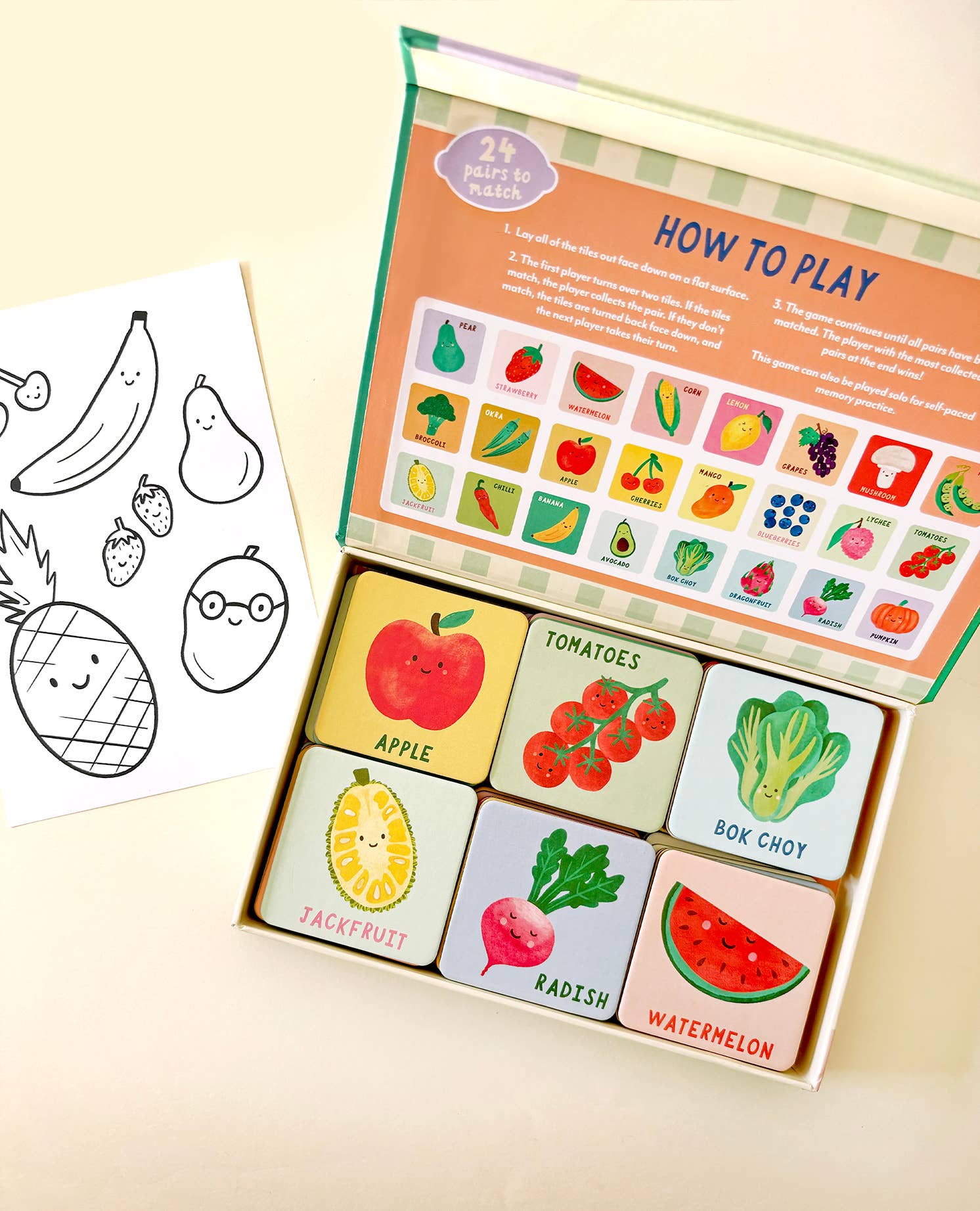
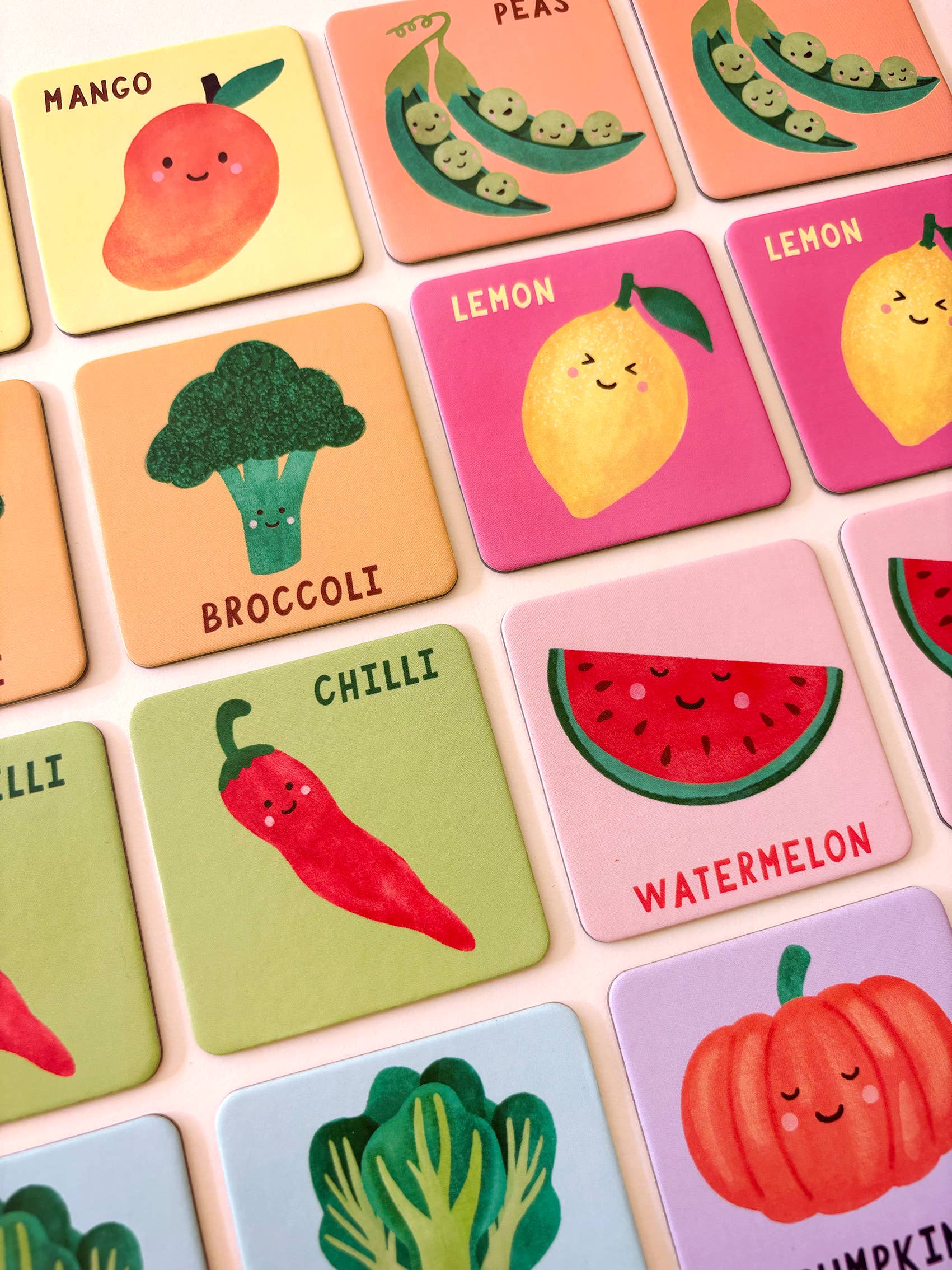



Why Parents Love Learn & Play
- Designed for babies & toddlers
- Encourages learning through play
- Simple, calm, and not overstimulating
- Easy to use at home or on the go
- Thoughtfully created for early development
Build Your Own Bundle
Struggling to decide? Or want multiple packs? Then here you can build your own bundle and get 15% off when adding 3 or more packs.
Your bundle
Learn & Play Help Articles
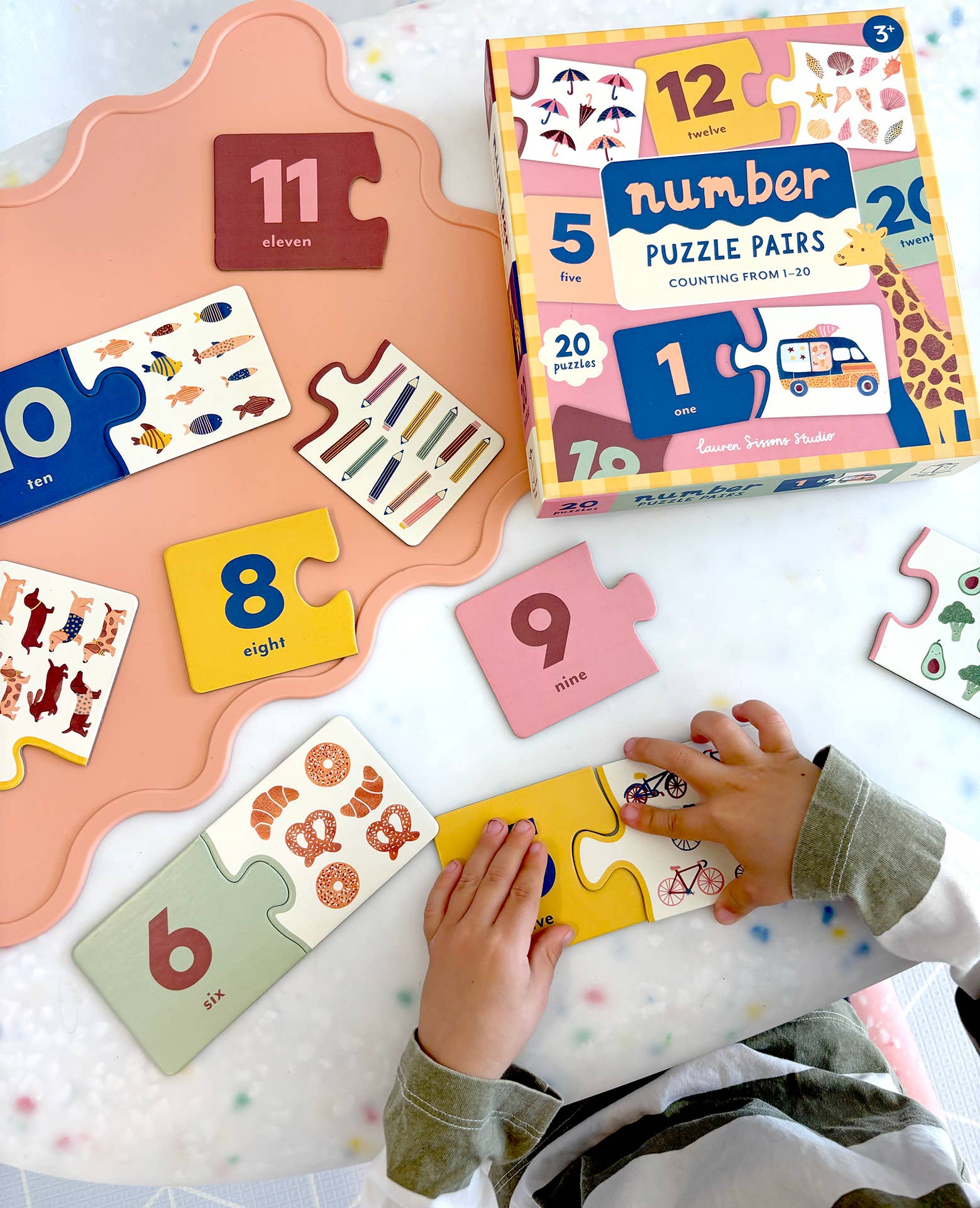
Best Learning Gifts for Babies & Toddlers
Finding the right gift for a baby or toddler can be challenging. You want something meaningful, useful, and enjoyable.
Learning packs are a perfect choice.
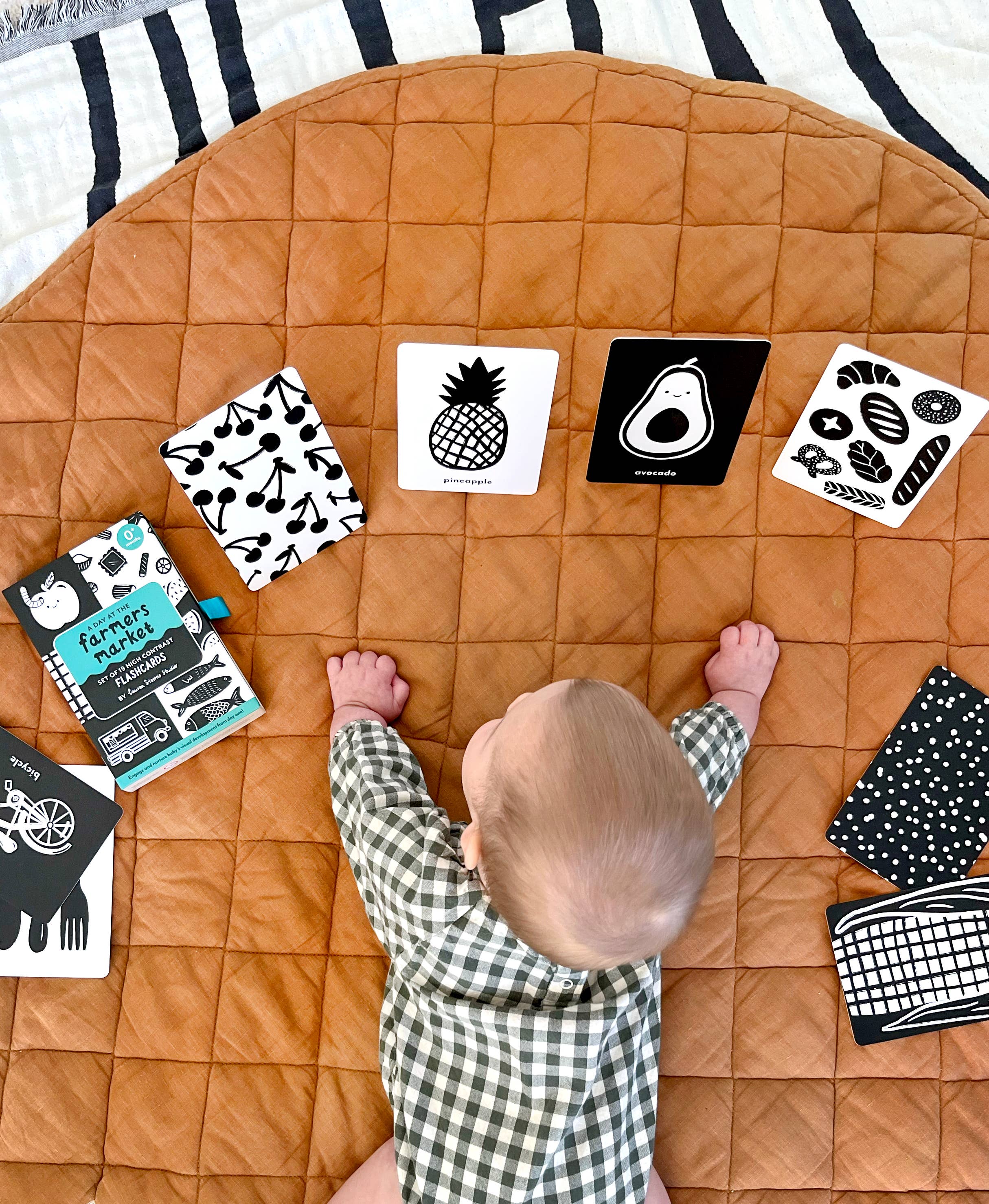
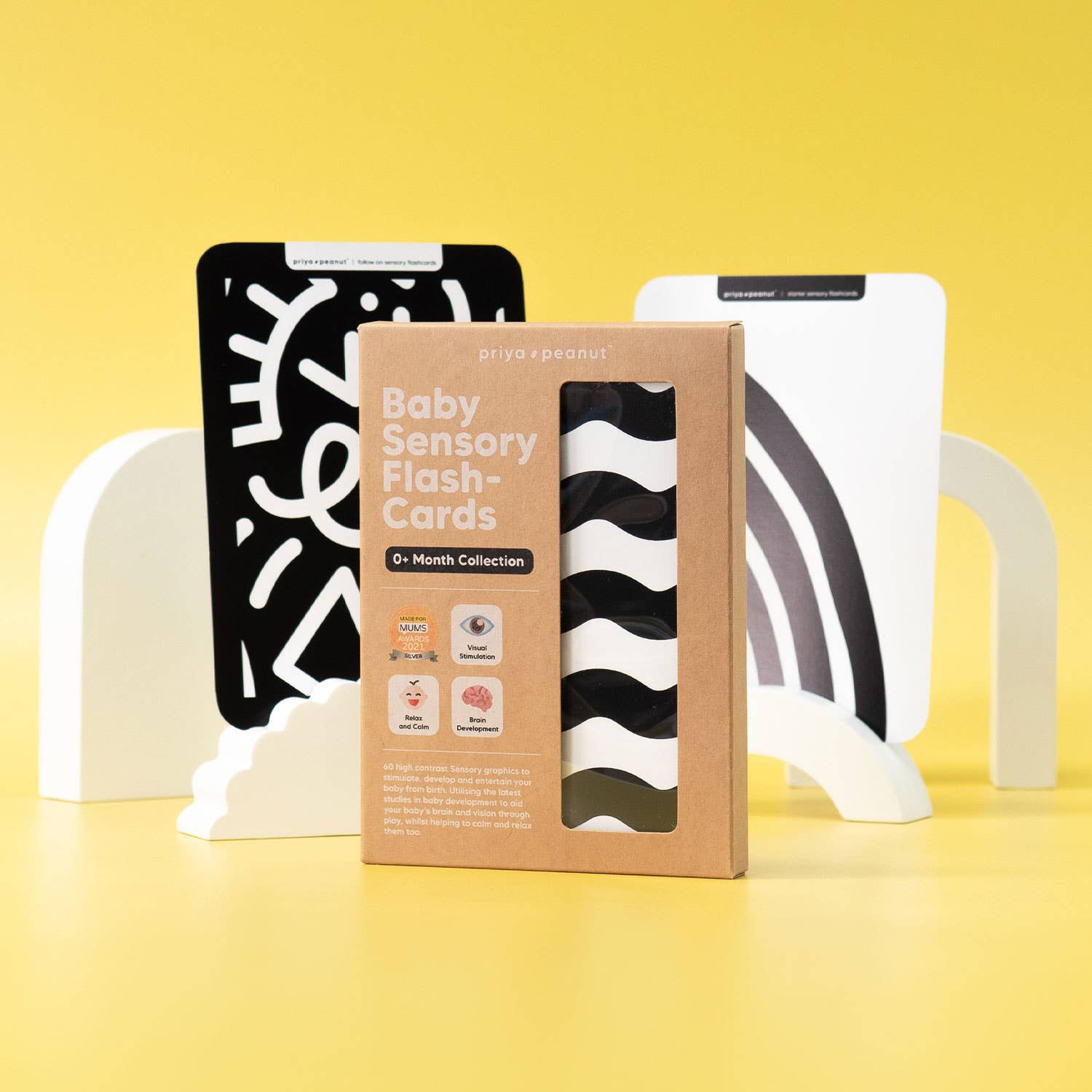
What is Sensory Play? (And Why It Matters for Babies)
Sensory play is one of the most important parts of early childhood development.
It involves activities that engage your child’s senses—touch, sight, and movement.
Read moreabout What is Sensory Play? (And Why It Matters for Babies)
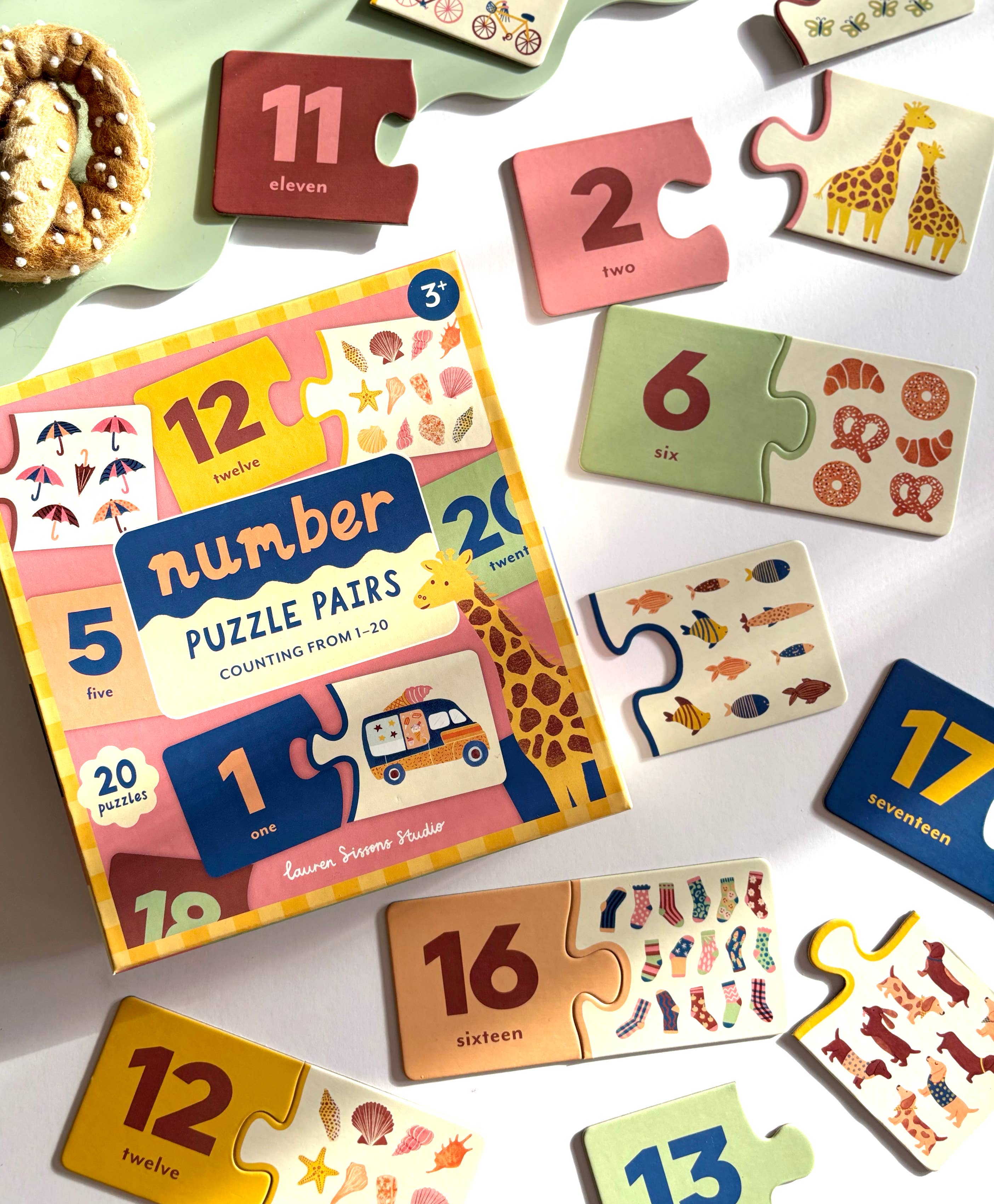
How to Teach Toddlers Numbers Through Play
Teaching numbers doesn’t need to feel like a lesson. In fact, the best way for toddlers to learn is through play.
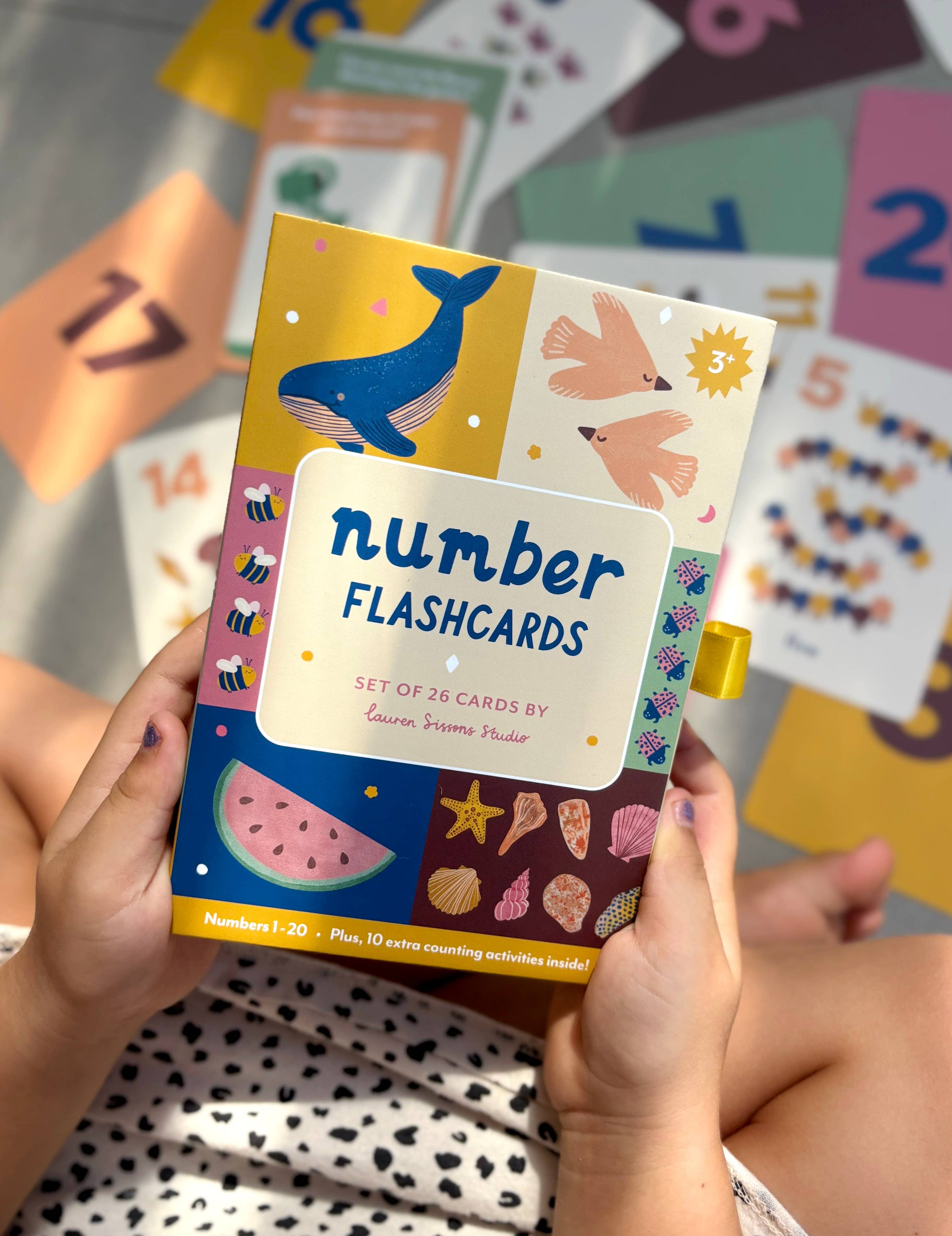
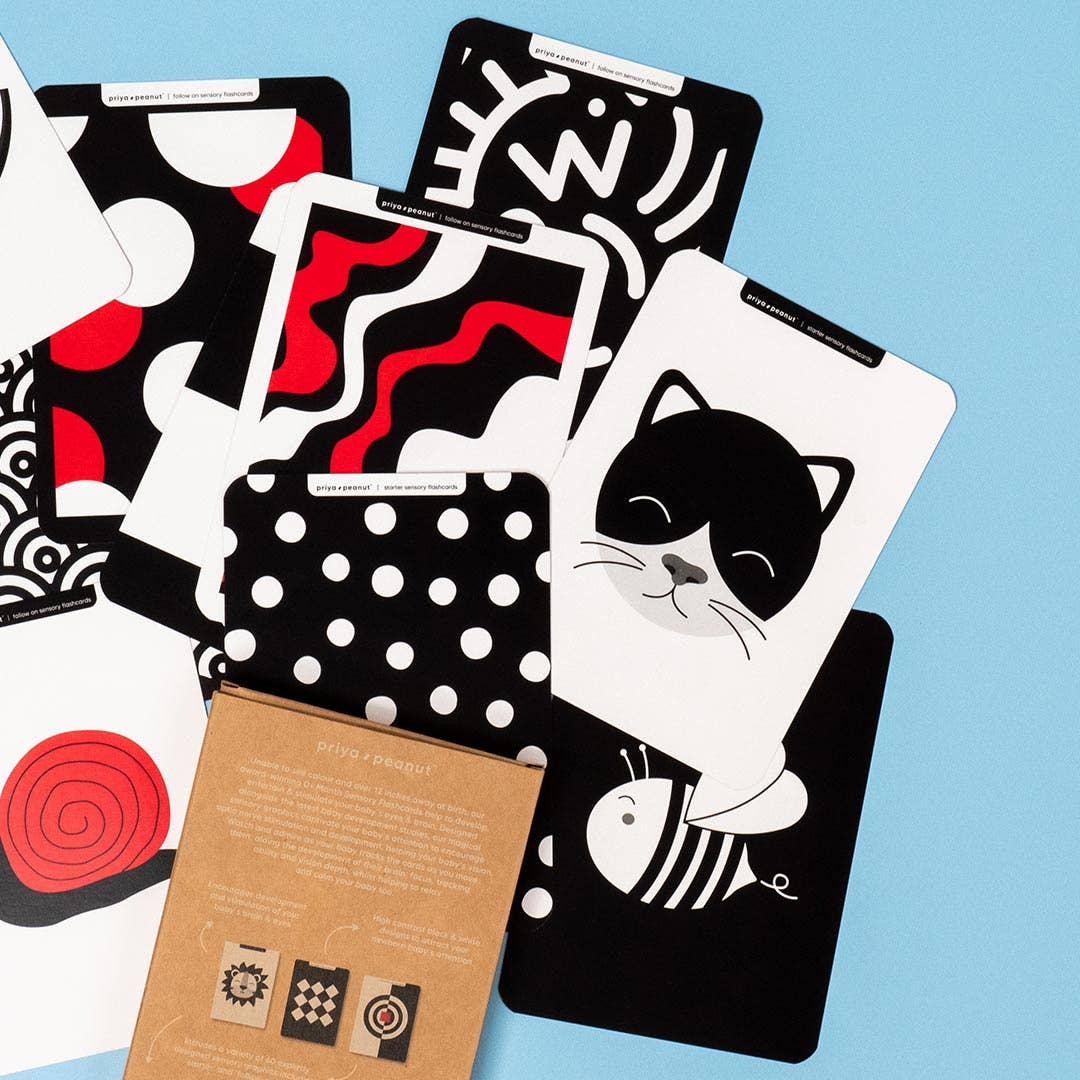
How to Use Flashcards with Babies & Toddlers
Flash cards are one of the easiest and most effective ways to support early learning—but many parents aren’t sure how to use them.
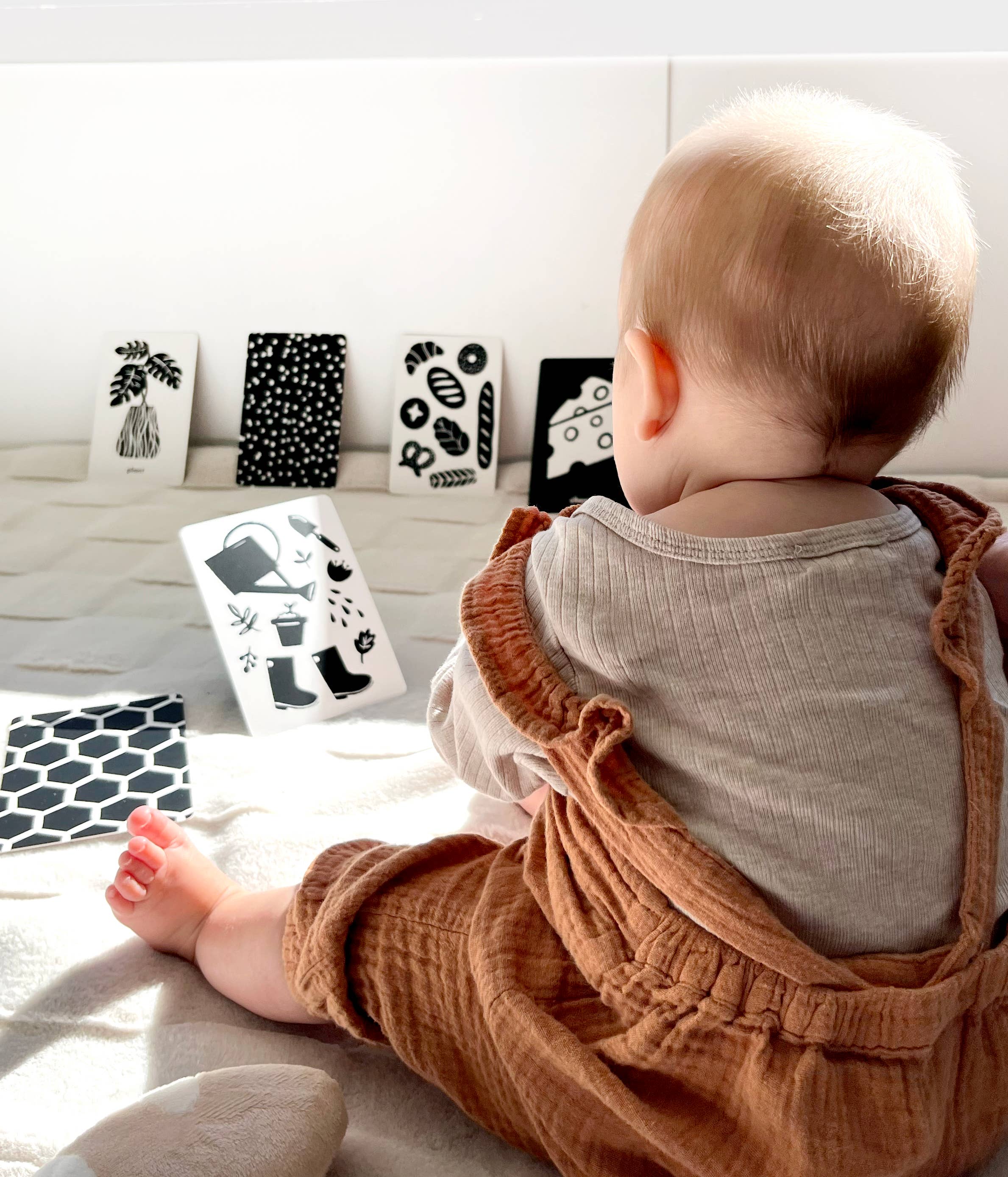
Learn & Play: Why Simple Learning Packs Are Perfect for Babies & Toddlers
Babies and toddlers learn best through play. It’s how they explore the world, build confidence, and develop essential skills like language and memory.
That’s why our Learn & Play collection is designed to support natural, everyday learning moments.
Read moreabout Learn & Play: Why Simple Learning Packs Are Perfect for Babies & Toddlers
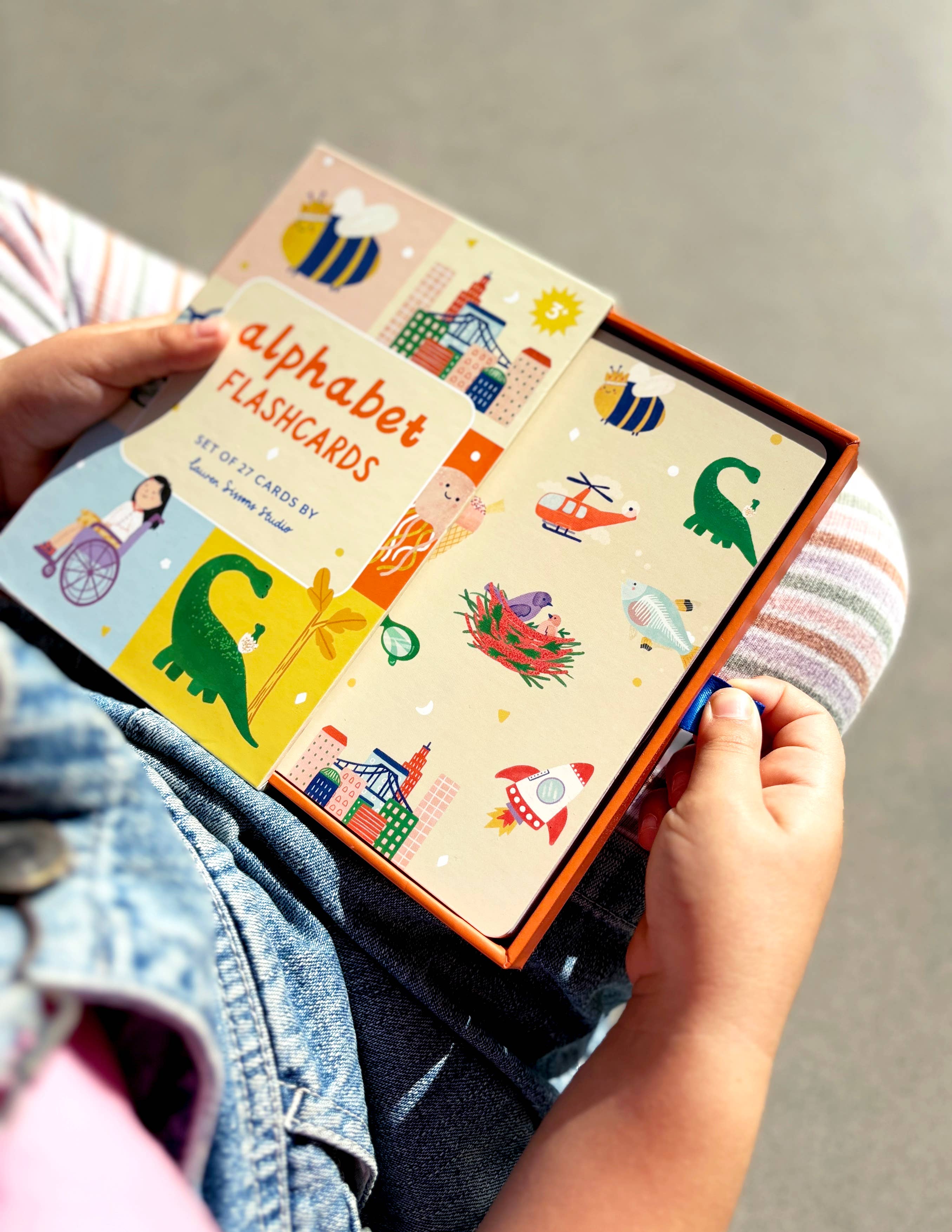
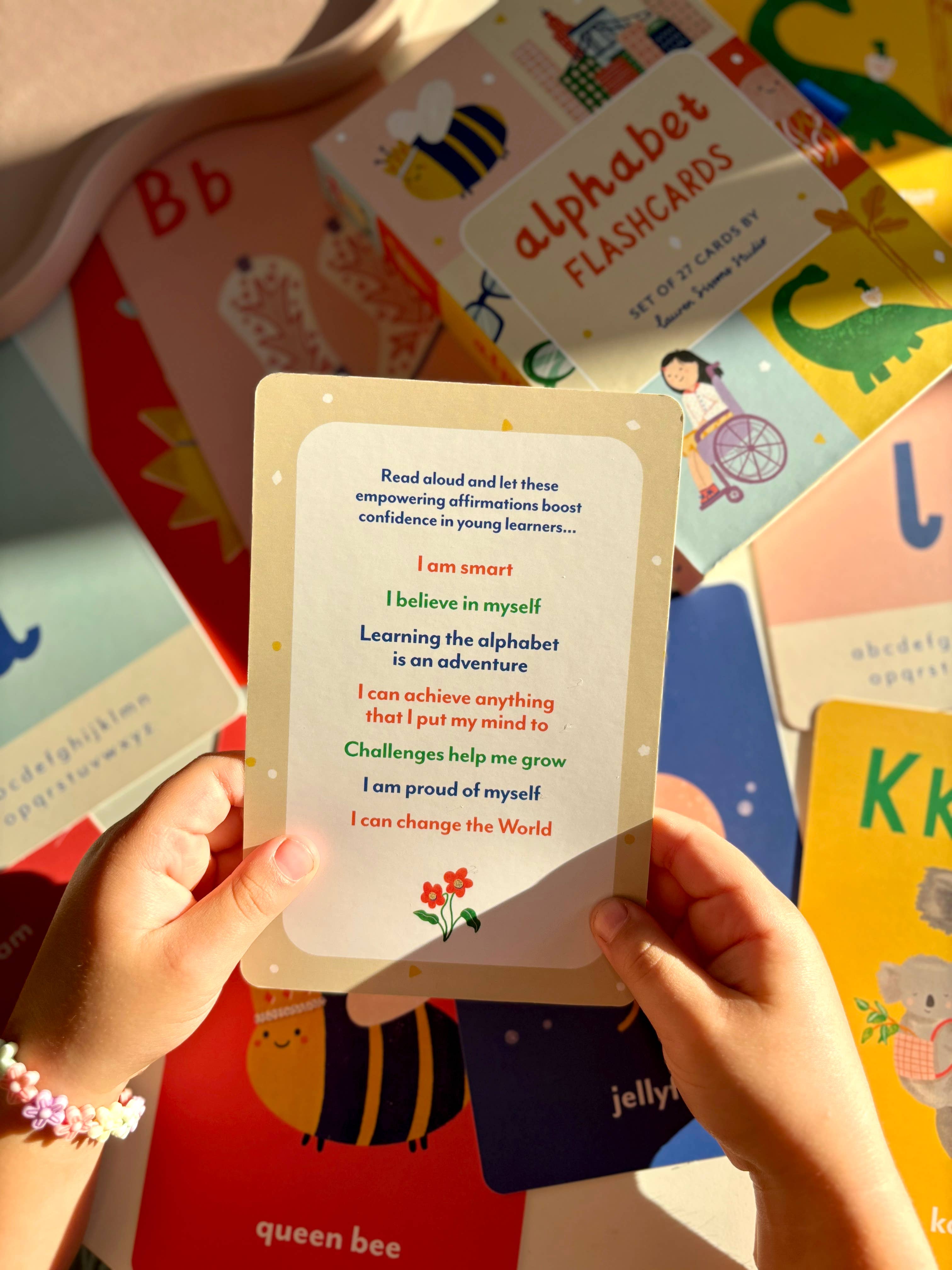
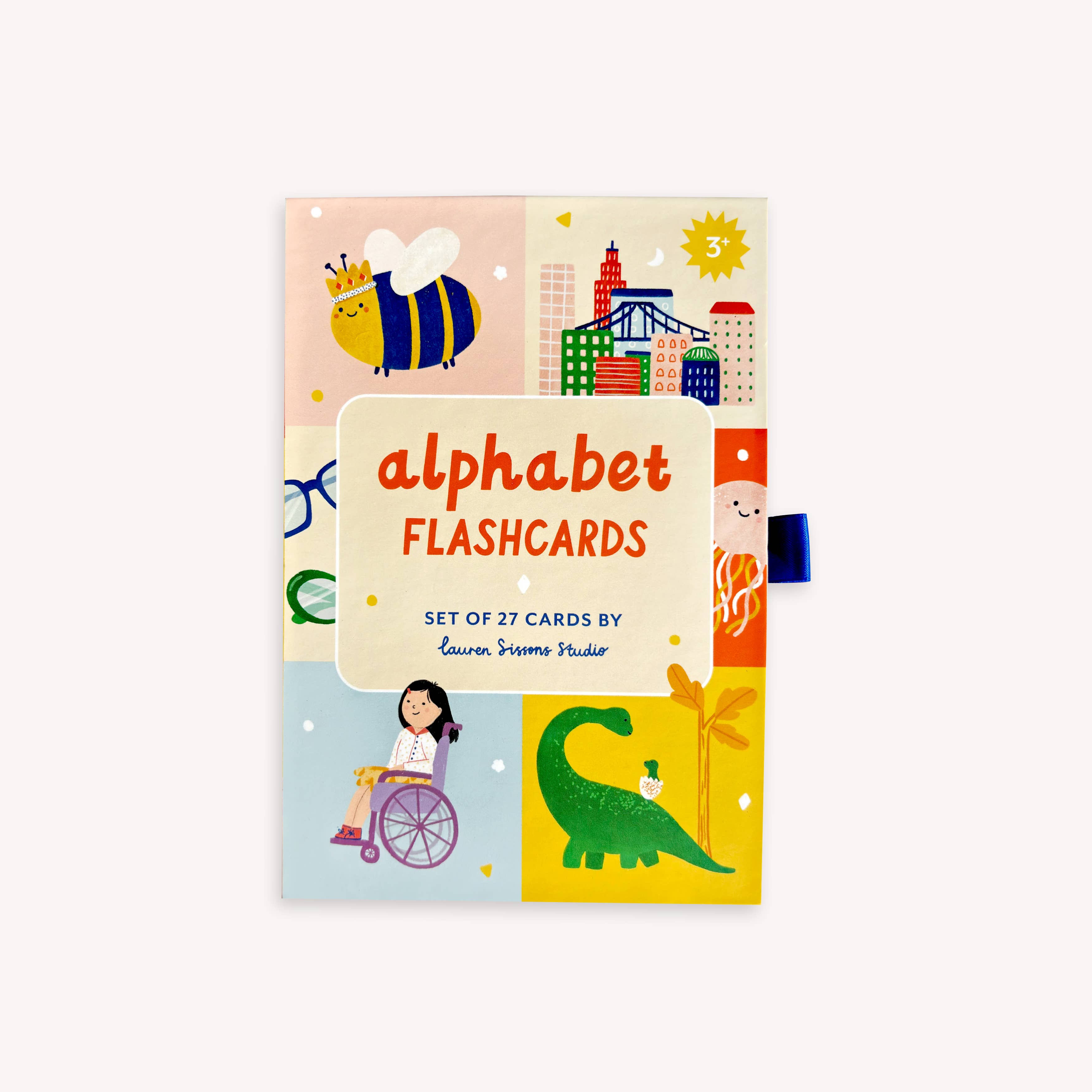


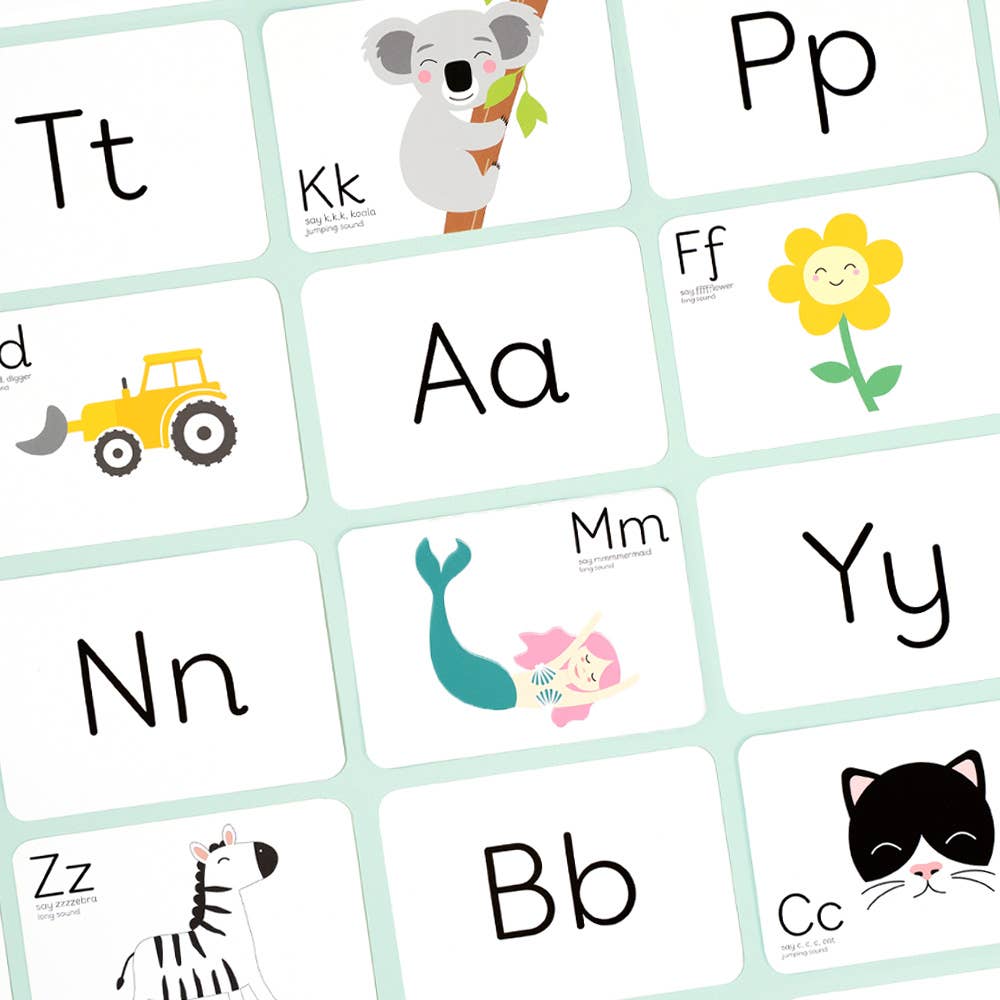
A-Z Illustrated Alphabet Flashcards - Kids Toys and Learning
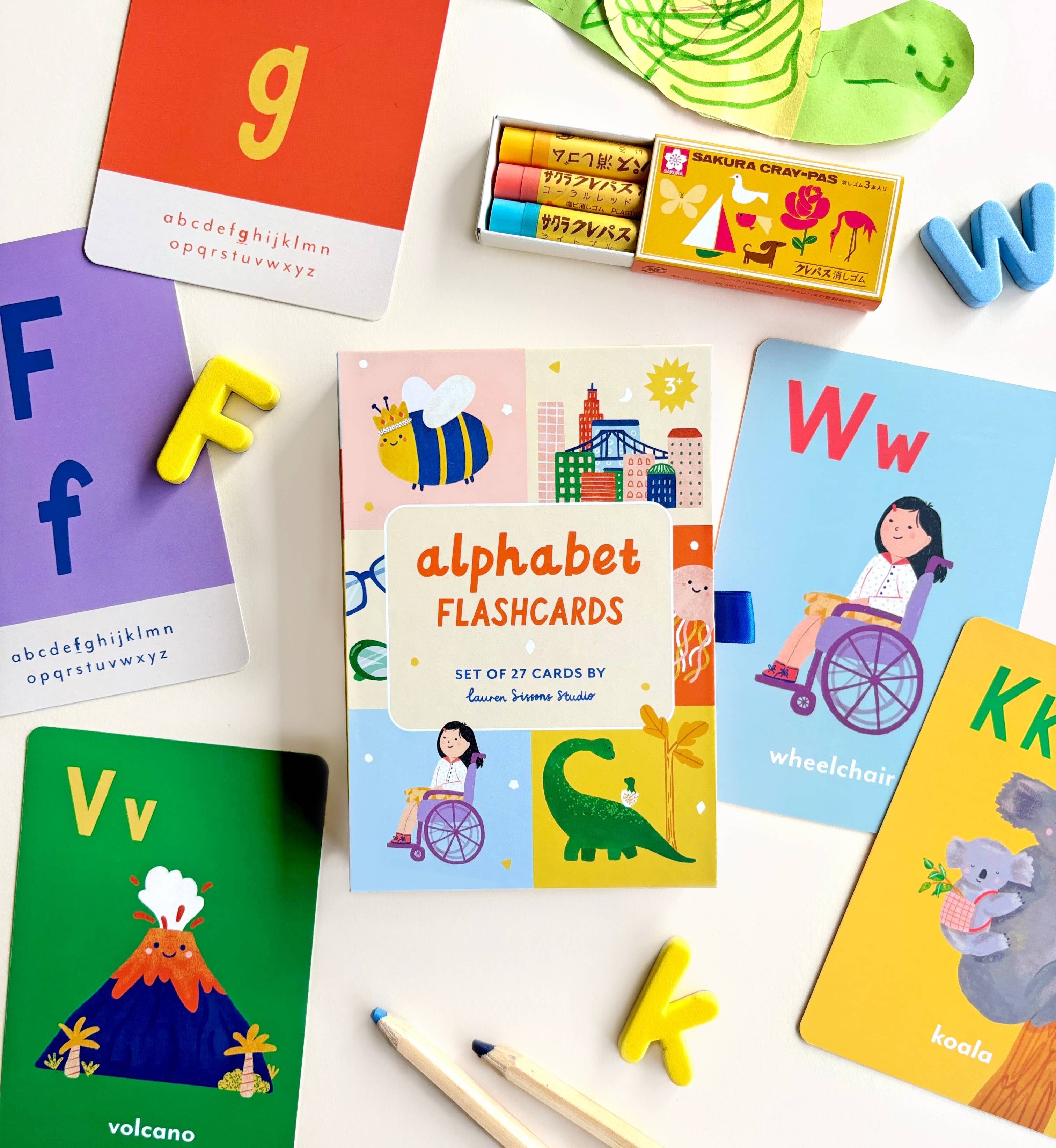
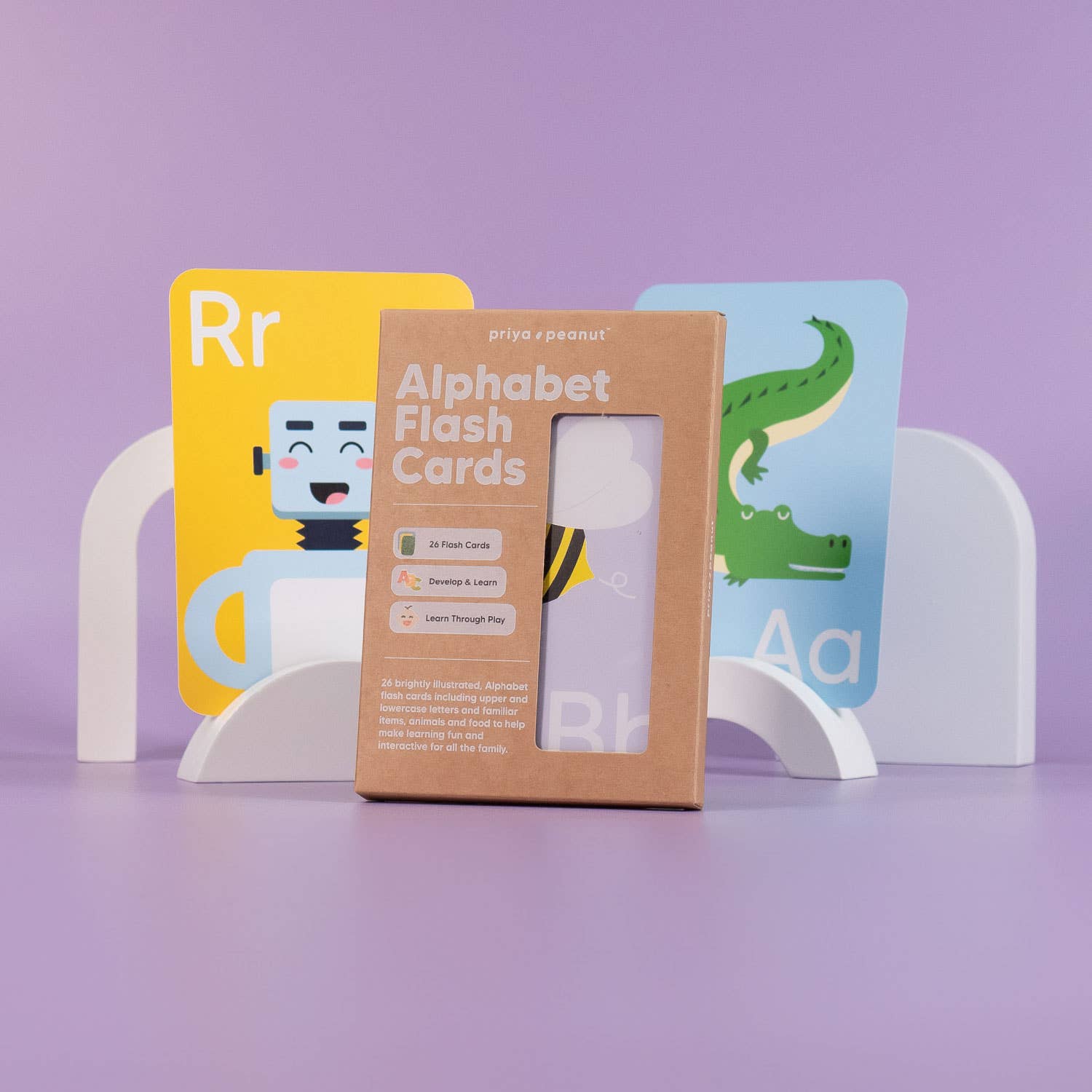
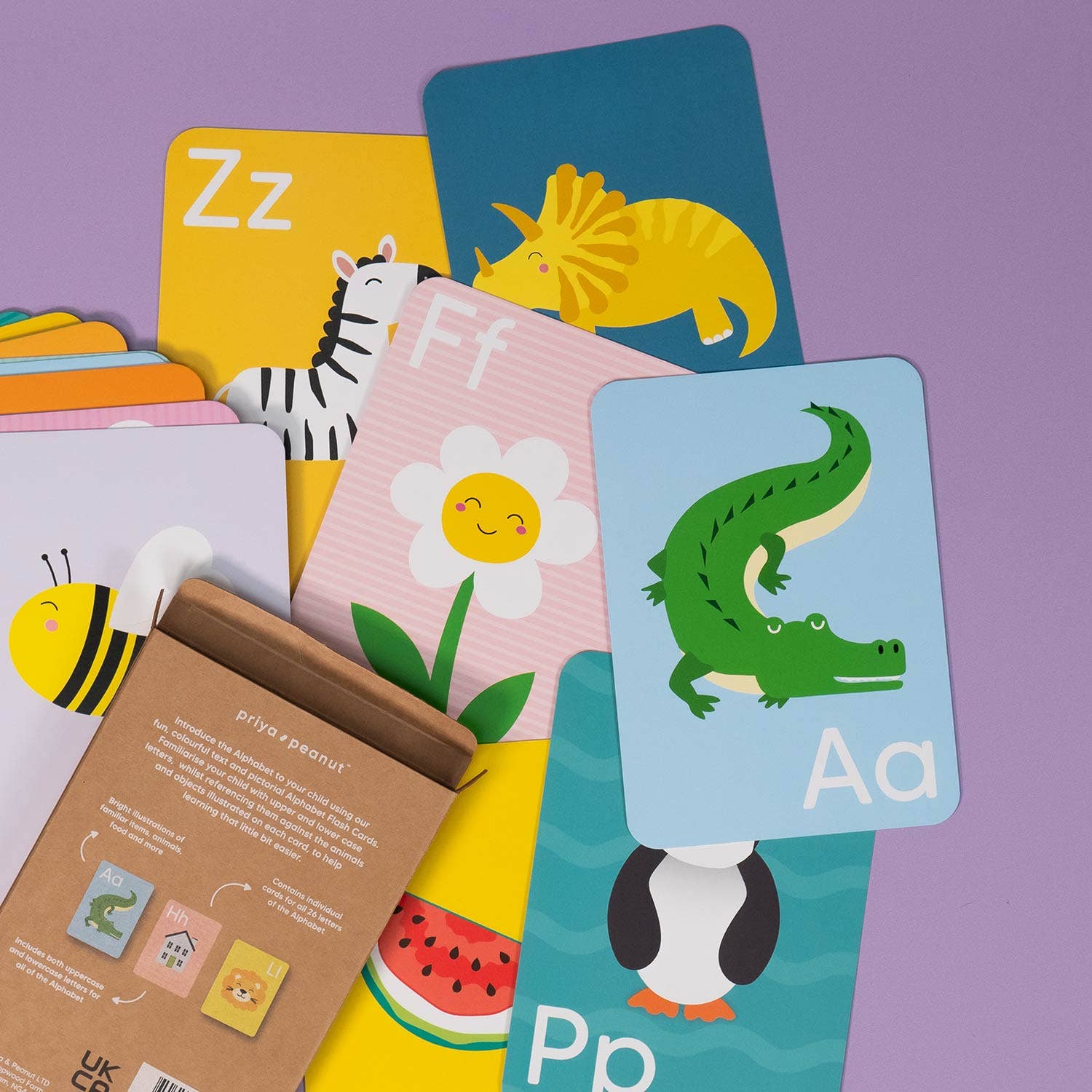
Designed to spark curiosity in young minds, this set of 27 beautifully illustrated flashcards makes learning the Alphabet fun.
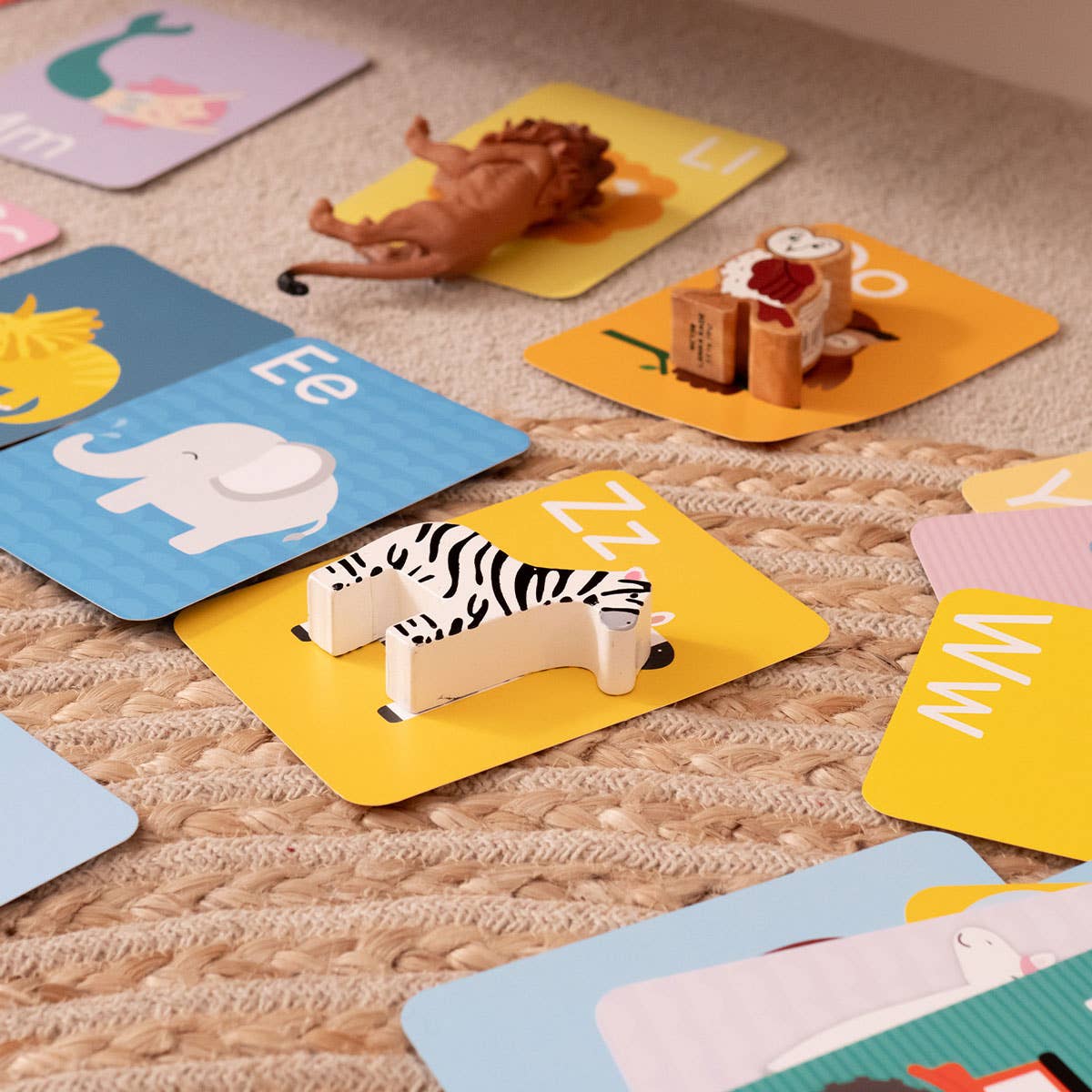
Packaged in a premium, keepsake box that opens to reveal vibrant flashcards that showcase both upper and lower case letters alongside adorable drawings of animals, nature and things children will encounter in everyday life.
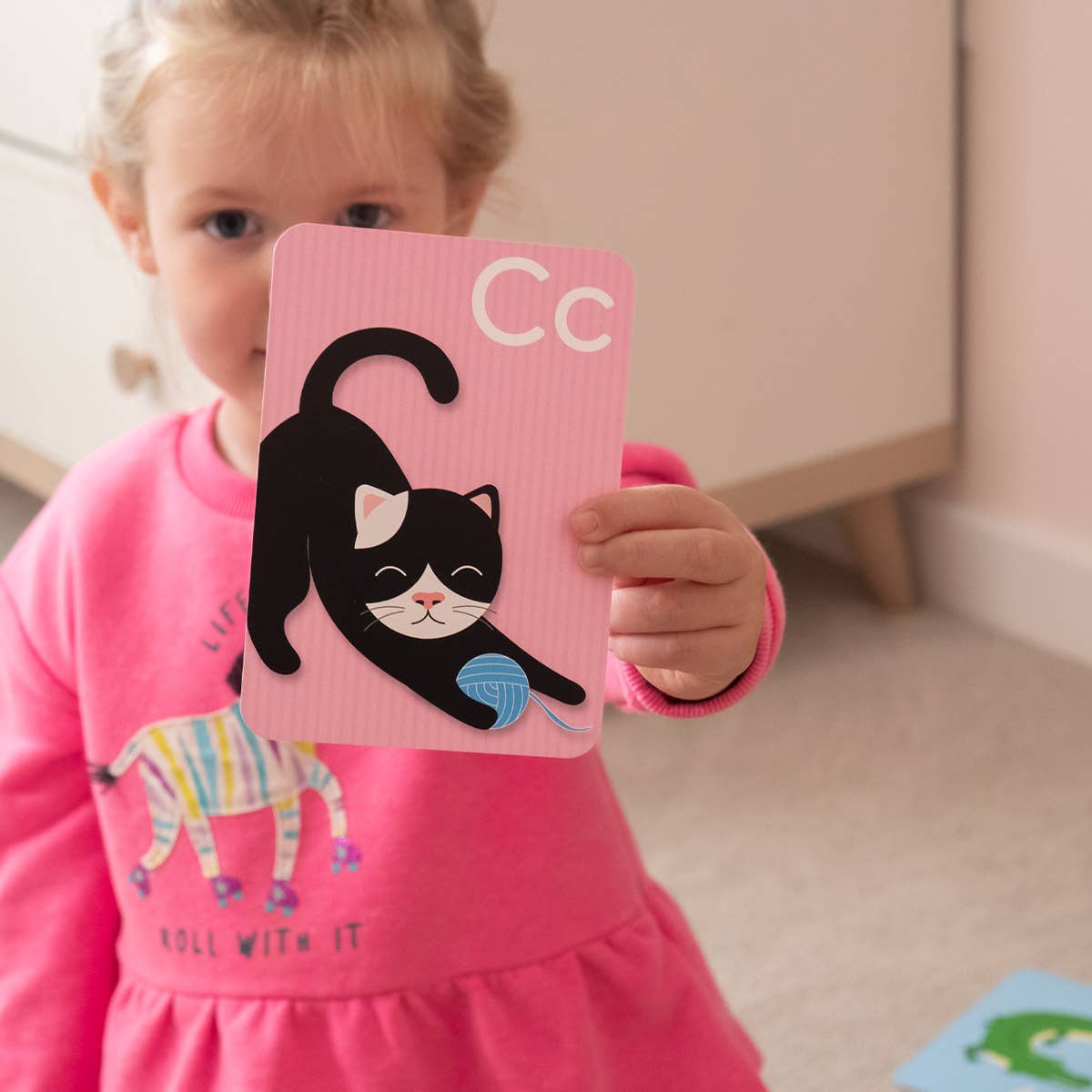
Cards are laminated for durability and finished with rounded corners, perfect for little hands to hold again and again.
Setting this set apart, inside you'll find an additional card with positive affirmations designed for children to read aloud with a grown up. This interactive feature provides an engaging way to boost their confidence as they embark on their learning journey.
Set included 27 double-sided laminated flashcards - Cards: 150 x 100mm / 5.9 x 3.9" - Box: 157 x 107 x 16mm / 6.18 x 4.2 x 0.62"
Recommended for ages 3+
Stay updated: Instagram: @lauren_sissons_studio
FAQ
Please head to our help center to find out more.
Are learning packs better than apps or screens?
For babies and toddlers, hands-on learning is far more beneficial. Physical interaction helps develop motor skills, attention, and real-world understanding in a way screens cannot replicate.
Can these be used in a Montessori-style approach?
Yes, our learning packs naturally support a Montessori-inspired approach by encouraging independent exploration, repetition, and learning through play.
What age are learning packs suitable for?
Our learning packs are designed for babies and toddlers, typically from around 3 months up to 3–4 years. Different packs support different stages, from early visual development to first words and counting.
How do I use flash cards with my baby or toddler?
Keep it simple and relaxed. Show one card at a time, say the word clearly, and repeat regularly. For babies, short sessions of a few minutes are enough. Toddlers can engage for longer and may start recognising and naming items.
Are flash cards really effective for early learning?
Yes, when used in a calm and consistent way, flash cards can support memory, language development, and recognition skills. They work best as part of everyday play rather than structured lessons.
What are the benefits of sensory learning for young children?
Sensory play helps babies and toddlers explore the world through touch, sight, and movement. It supports brain development, coordination, and curiosity, while also helping children feel calm and engaged.
How often should I do learning activities with my child?
Little and often works best. Even 5–10 minutes a day can make a big difference. The goal is to create small, enjoyable learning moments rather than long sessions.